

What is the temperature control range of a mini oil refinery machine?
Oct 08, 2025
Leave a message
As a supplier of Mini Oil Refinery Machines, one of the most frequently asked questions I encounter is about the temperature control range of these machines. Understanding this range is crucial as it directly impacts the quality and efficiency of the oil refining process. In this blog post, I will delve into the details of the temperature control range of a mini oil refinery machine, exploring its significance, influencing factors, and optimal settings.
Significance of Temperature Control in Mini Oil Refinery Machines
Temperature plays a pivotal role in the oil refining process. Different stages of refining, such as degumming, neutralization, bleaching, and deodorization, require specific temperature ranges to achieve the desired results. For instance, during the degumming process, the temperature needs to be carefully controlled to ensure the effective removal of phospholipids from the crude oil. If the temperature is too low, the phospholipids may not be fully removed, leading to cloudy oil and reduced shelf life. On the other hand, if the temperature is too high, it can cause thermal degradation of the oil, resulting in off - flavors and a decrease in nutritional value.
In the neutralization stage, the right temperature helps in the efficient reaction between the free fatty acids in the oil and the alkaline solution. This reaction is essential for reducing the acid value of the oil and improving its stability. Similarly, in the bleaching process, temperature affects the adsorption capacity of the bleaching earth, which is used to remove pigments, trace metals, and other impurities from the oil. Finally, during deodorization, temperature is critical for removing volatile compounds and unpleasant odors from the oil, enhancing its sensory properties.
Factors Influencing the Temperature Control Range
Several factors influence the temperature control range of a mini oil refinery machine. The type of oil being refined is one of the most significant factors. Different oils have different chemical compositions, and thus, they require different temperature settings for optimal refining. For example, palm oil has a relatively high melting point compared to other vegetable oils, so the refining process may require higher temperatures. You can learn more about palm oil processing with our Palm Oil Press Machine.
The quality of the crude oil also affects the temperature control range. Crude oils with higher levels of impurities, such as free fatty acids, phospholipids, and pigments, may require more aggressive refining conditions, including higher temperatures, to achieve the desired quality standards. Additionally, the refining capacity of the machine can influence the temperature control range. Smaller capacity machines may have different heat transfer characteristics compared to larger ones, which can impact the temperature distribution within the machine and the overall refining process.
The design and technology of the mini oil refinery machine itself play a crucial role in determining the temperature control range. Advanced machines are equipped with precise temperature sensors and control systems that can maintain a stable temperature within a narrow range. These systems use feedback mechanisms to adjust the heating or cooling elements based on the real - time temperature readings, ensuring consistent and efficient refining.
Optimal Temperature Control Ranges for Different Refining Stages
Degumming
The degumming process typically requires a temperature range of 60 - 80°C. At this temperature, the phospholipids in the crude oil can be effectively hydrated and separated from the oil phase. The addition of water or acid at this stage helps in the hydration of the phospholipids, and the temperature ensures that the reaction occurs at an appropriate rate.
Neutralization
For the neutralization stage, the temperature is usually maintained between 60 - 90°C. This temperature range allows for a rapid and efficient reaction between the free fatty acids in the oil and the alkaline solution. A higher temperature can speed up the reaction, but it should not be too high to avoid saponification of the neutral oil, which can lead to oil loss.
Bleaching
The bleaching process generally operates at a temperature range of 90 - 110°C. At this temperature, the bleaching earth can effectively adsorb pigments, trace metals, and other impurities from the oil. The higher temperature increases the activity of the bleaching earth and enhances its adsorption capacity.
Deodorization
Deodorization is carried out at relatively high temperatures, typically between 180 - 260°C. The high temperature is necessary to vaporize the volatile compounds and unpleasant odors from the oil. However, the process is usually carried out under vacuum conditions to reduce the thermal degradation of the oil and to minimize the formation of trans - fatty acids.
Maintaining the Temperature Control Range
To ensure that the mini oil refinery machine operates within the optimal temperature control range, regular maintenance and calibration of the temperature control system are essential. The temperature sensors should be checked and calibrated periodically to ensure accurate readings. The heating and cooling elements should also be inspected for any signs of wear or damage, and replaced if necessary.
Proper insulation of the machine can help in maintaining a stable temperature and reducing energy consumption. Insulation materials can prevent heat loss from the machine, especially during the high - temperature refining stages. Additionally, the operator should be trained to monitor and adjust the temperature settings based on the specific requirements of the oil being refined and the operating conditions of the machine.
Impact of Incorrect Temperature Control
If the temperature is not controlled within the appropriate range, it can have several negative impacts on the oil refining process. As mentioned earlier, too low a temperature can result in incomplete removal of impurities, leading to poor - quality oil. On the other hand, too high a temperature can cause thermal degradation of the oil, resulting in the formation of harmful compounds, such as trans - fatty acids and oxidation products. These compounds can not only affect the sensory properties of the oil but also have potential health risks.
Incorrect temperature control can also lead to increased energy consumption and reduced efficiency of the machine. For example, if the temperature is too high during the deodorization process, more energy is required to maintain the high temperature, and there may be a higher risk of oil loss due to thermal degradation.
Conclusion
In conclusion, the temperature control range of a mini oil refinery machine is a critical factor in ensuring the quality and efficiency of the oil refining process. Different refining stages require specific temperature ranges, and these ranges are influenced by factors such as the type of oil, the quality of the crude oil, the refining capacity, and the design of the machine. By maintaining the optimal temperature control range through proper maintenance, calibration, and operator training, we can produce high - quality refined oil with minimal energy consumption and waste.
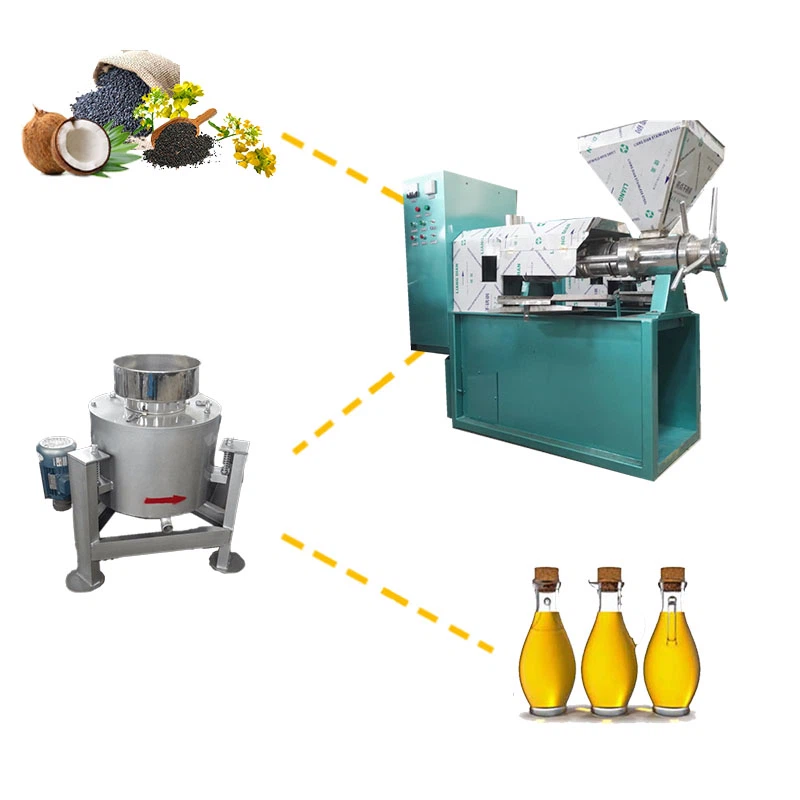

If you are in the market for a Mini Oil Refinery Machine or need more information about our products and their temperature control capabilities, please feel free to contact us for a detailed discussion and procurement negotiation. Our team of experts is ready to assist you in finding the best solution for your oil refining needs.
References
- Smith, J. (2018). Handbook of Vegetable Oil Processing. Wiley - Blackwell.
- Johnson, R. (2019). Oil Refining Technology and Applications. CRC Press.
- Chen, H. (2020). Advances in Oil Refining: Principles and Practice. Elsevier.