

How do oil refiners ensure compliance with anti - pollution laws?
Oct 08, 2025
Leave a message
As a supplier catering to oil refiners, I've witnessed firsthand the industry's unwavering commitment to environmental stewardship. In an era where anti - pollution laws are becoming increasingly stringent, oil refiners are under constant pressure to ensure compliance. This blog post will delve into the multifaceted strategies and practices that oil refiners adopt to meet these legal requirements.
Understanding Anti - Pollution Laws
Before we explore the compliance strategies, it's essential to understand the nature of anti - pollution laws. These laws are designed to protect the environment by limiting the release of harmful pollutants into the air, water, and soil. They cover a wide range of aspects, including emissions of greenhouse gases, sulfur dioxide, nitrogen oxides, and particulate matter. Additionally, regulations govern the proper handling and disposal of hazardous waste generated during the refining process.
Oil refiners must stay abreast of both national and international regulations. In the United States, for example, the Environmental Protection Agency (EPA) sets strict standards for air and water quality. The Clean Air Act mandates limits on emissions from refinery operations, while the Clean Water Act regulates the discharge of wastewater. Internationally, the Paris Agreement on climate change has spurred countries to implement more aggressive environmental policies, which in turn affect the oil refining industry.
Emission Control Technologies
One of the primary ways oil refiners ensure compliance with anti - pollution laws is through the use of advanced emission control technologies. These technologies are designed to reduce the amount of pollutants released into the atmosphere during the refining process.

Flue Gas Desulfurization (FGD)
Sulfur dioxide is a major air pollutant emitted by oil refineries. FGD systems are commonly used to remove sulfur dioxide from flue gases. These systems work by spraying a slurry of limestone or lime into the flue gas, which reacts with the sulfur dioxide to form calcium sulfate. This process can remove up to 95% of the sulfur dioxide emissions, significantly reducing the environmental impact of refinery operations.
Selective Catalytic Reduction (SCR)
Nitrogen oxides are another harmful pollutant emitted by refineries. SCR systems are used to reduce nitrogen oxide emissions by converting them into nitrogen and water vapor. In an SCR system, a catalyst is used to promote a chemical reaction between the nitrogen oxides and a reducing agent, typically ammonia. This process can achieve nitrogen oxide reduction rates of up to 90%.
Particulate Matter Control
Particulate matter, such as dust and soot, can also be emitted during the refining process. To control particulate matter emissions, oil refiners use technologies such as electrostatic precipitators and baghouses. Electrostatic precipitators use an electrostatic charge to remove particulate matter from the flue gas, while baghouses use fabric filters to capture the particles.
Waste Management
Proper waste management is another crucial aspect of compliance with anti - pollution laws. Oil refineries generate a variety of hazardous wastes, including spent catalysts, sludges, and contaminated soil. These wastes must be handled, stored, and disposed of in accordance with strict regulations.
Recycling and Reuse
Many oil refiners are implementing recycling and reuse programs to reduce the amount of waste sent to landfills. For example, spent catalysts can often be regenerated and reused in the refining process. This not only reduces waste but also conserves valuable resources.
Safe Disposal
When waste cannot be recycled or reused, it must be disposed of safely. Oil refiners typically work with licensed waste disposal companies to ensure that hazardous wastes are transported and disposed of in compliance with environmental regulations. This may involve treating the waste to reduce its toxicity before disposal.
Monitoring and Reporting
To demonstrate compliance with anti - pollution laws, oil refiners must continuously monitor their emissions and waste management practices. This involves installing monitoring equipment at various points in the refinery to measure the levels of pollutants in the air, water, and soil.
Continuous Emission Monitoring Systems (CEMS)
CEMS are used to continuously monitor the emissions of pollutants such as sulfur dioxide, nitrogen oxides, and particulate matter. These systems provide real - time data on emissions levels, allowing refinery operators to detect and address any issues promptly.
Reporting Requirements
Oil refiners are also required to submit regular reports to regulatory agencies detailing their emissions and waste management practices. These reports must be accurate and comprehensive, and failure to comply with reporting requirements can result in significant fines and penalties.
Employee Training and Education
Ensuring compliance with anti - pollution laws is not just about technology and monitoring; it also requires a well - trained and informed workforce. Oil refiners invest heavily in employee training and education programs to ensure that their staff understands the importance of environmental compliance and knows how to operate the refinery in an environmentally responsible manner.
Technical Training
Employees are trained on the operation and maintenance of emission control technologies and waste management systems. This includes training on how to troubleshoot problems and perform routine maintenance to ensure that these systems are operating effectively.
Environmental Awareness Training
In addition to technical training, employees also receive environmental awareness training. This training educates them about the environmental impact of refinery operations and the importance of complying with anti - pollution laws. It also encourages employees to identify and report any potential environmental issues.
Investment in Research and Development
To stay ahead of evolving anti - pollution laws, oil refiners are constantly investing in research and development. This includes developing new technologies and processes that are more environmentally friendly and efficient.
Cleaner Refining Processes
Researchers are working on developing cleaner refining processes that produce fewer pollutants. For example, some refineries are exploring the use of bio - based feedstocks, which can reduce the carbon footprint of the refining process.
Advanced Monitoring Technologies
There is also ongoing research into the development of more advanced monitoring technologies. These technologies can provide more accurate and detailed data on emissions and waste management practices, making it easier for refineries to demonstrate compliance.
The Role of Suppliers
As a supplier to oil refiners, I play a crucial role in helping them ensure compliance with anti - pollution laws. We offer a range of high - quality equipment and technologies that can help refineries reduce their environmental impact.
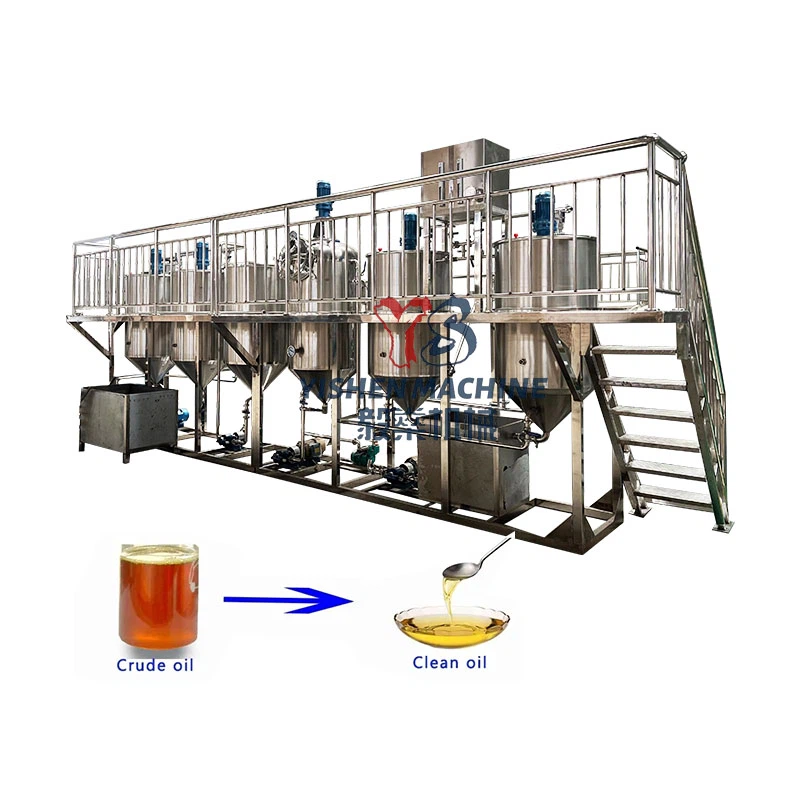
For example, we provide Coconut Oil Refinery Machine that are designed to be energy - efficient and produce fewer emissions. Our Small Oil Refinery Machine are also suitable for small - scale operations, allowing for more sustainable refining practices. And our Oil Refining Machine are equipped with the latest emission control technologies to meet the strictest environmental standards.
Conclusion
In conclusion, oil refiners face significant challenges in ensuring compliance with anti - pollution laws. However, through the use of advanced technologies, proper waste management, monitoring and reporting, employee training, and investment in research and development, they are making significant progress in reducing their environmental impact. As a supplier, we are committed to supporting oil refiners in their efforts to meet these challenges. If you are an oil refiner looking for reliable and environmentally friendly equipment and technologies, we encourage you to contact us for a detailed discussion about your specific needs. Our team of experts is ready to assist you in finding the best solutions for your refinery.
References
- U.S. Environmental Protection Agency. (2023). Clean Air Act.
- United Nations Framework Convention on Climate Change. (2015). Paris Agreement.
- International Energy Agency. (2023). Global Energy Outlook.