

How to troubleshoot common problems with a food oil refinery machine?
Oct 07, 2025
Leave a message
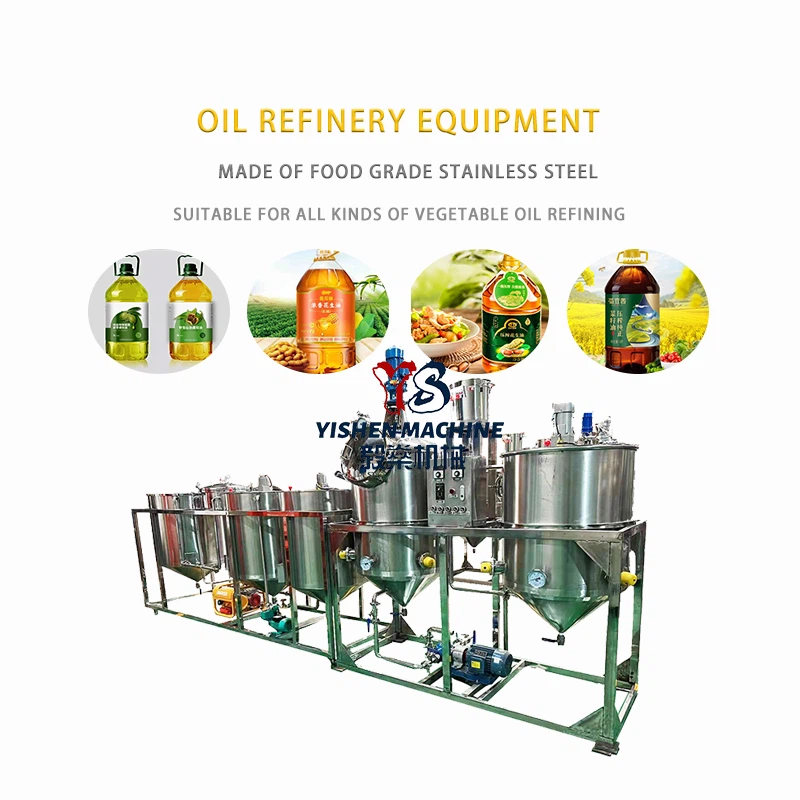
Troubleshooting common problems with a food oil refinery machine is crucial for maintaining its efficiency and ensuring the quality of the refined oil. As a supplier of Food Oil Refinery Machines, I've encountered various issues over the years and have developed effective solutions. In this blog, I'll share some of the most common problems and how to address them.

1. Low Oil Output
One of the most frequently reported problems is low oil output. This can be caused by several factors.
- Clogged Filters: Over time, filters in the refinery machine can become clogged with impurities. When this happens, the flow of oil is restricted, leading to reduced output. To solve this issue, regularly check and clean the filters. If the filters are severely damaged or too dirty to clean, replace them with new ones.
- Worn - out Parts: Parts such as screws, gears, or belts may wear out after prolonged use. A worn - out part can affect the overall operation of the machine and reduce its efficiency. Inspect these parts regularly and replace any that show signs of excessive wear. For example, if the screw in the pressing section is worn, it may not be able to press the oil seeds effectively, resulting in less oil extraction.
- Incorrect Feed Rate: Feeding too much or too little raw material into the machine can also lead to low oil output. If the feed rate is too high, the machine may not be able to process the material properly, causing blockages. On the other hand, a low feed rate may not utilize the machine's full capacity. Refer to the machine's manual to determine the optimal feed rate and adjust it accordingly.
2. Poor Oil Quality
The quality of the refined oil is of utmost importance. If the oil quality is poor, it may not meet the required standards.
- Inadequate Heating: Proper heating is essential for the refining process. If the oil is not heated to the correct temperature, some impurities may not be removed effectively. Check the heating system of the machine to ensure it is functioning properly. Calibrate the temperature control settings if necessary. For instance, in the degumming process, the oil needs to be heated to a specific temperature to separate the gums from the oil.
- Insufficient Chemical Addition: In the refining process, various chemicals are added to remove impurities. If the amount of chemicals added is insufficient, the impurities may remain in the oil. Follow the recommended chemical dosage based on the type and quantity of the raw material being processed. However, be careful not to add too much chemical, as this can also affect the oil quality and may introduce new contaminants.
- Contamination: Contamination can occur from various sources, such as dirty storage tanks or pipes. Regularly clean and sanitize all the components of the refinery machine, including storage tanks, pipes, and valves. Use high - quality cleaning agents and ensure that all residues are completely removed.
3. Machine Vibration and Noise
Excessive vibration and noise during the operation of the food oil refinery machine can be a sign of underlying problems.
- Loose Parts: Check all the bolts, nuts, and other fasteners on the machine. Over time, these parts can become loose due to the machine's vibration. Tighten any loose parts to reduce vibration and noise. For example, if the motor mounting bolts are loose, the motor may vibrate excessively, causing the entire machine to shake.
- Imbalanced Rotating Parts: Rotating parts such as the shaft or the impeller may become imbalanced. This can be caused by uneven wear or the accumulation of debris. Balance the rotating parts by removing any debris or adjusting the weight distribution. In some cases, it may be necessary to replace the imbalanced part.
- Worn Bearings: Bearings are critical components in the machine. Worn bearings can cause excessive noise and vibration. Inspect the bearings regularly and replace them if they show signs of damage, such as excessive play or rough surfaces.
4. Electrical Problems
Electrical issues can disrupt the operation of the food oil refinery machine.
- Power Supply Problems: Check the power supply to ensure that the machine is receiving the correct voltage and current. A fluctuating power supply can damage the electrical components of the machine. Use a voltage stabilizer if necessary to maintain a stable power supply.
- Faulty Wiring: Inspect the wiring for any signs of damage, such as frayed wires or loose connections. Repair or replace any damaged wiring immediately. Faulty wiring can not only cause the machine to malfunction but also pose a safety hazard.
- Defective Electrical Components: Components such as motors, relays, and switches may fail over time. Test these components regularly using appropriate testing equipment. Replace any defective components to restore the machine's normal operation.
5. Blockages in the Machine
Blockages can occur in different parts of the food oil refinery machine, such as the pipes, valves, or the pressing chamber.
- Accumulation of Residues: Residues from the raw material or the refining process can accumulate in the machine, causing blockages. Regularly clean the machine to prevent the build - up of residues. Use appropriate cleaning tools and techniques to remove the residues from hard - to - reach areas.
- Incorrect Installation: If the machine is not installed correctly, it may be more prone to blockages. Make sure that all the pipes and valves are properly connected and that there are no kinks or bends that can impede the flow of oil or raw material. Refer to the installation manual for proper installation procedures.
6. Maintenance and Preventive Measures
Regular maintenance is key to preventing common problems with the food oil refinery machine.
- Scheduled Maintenance: Develop a maintenance schedule and follow it strictly. This should include tasks such as cleaning, lubrication, and inspection of all components. For example, lubricate the moving parts regularly to reduce friction and wear.
- Operator Training: Ensure that the operators are well - trained in the operation and maintenance of the machine. A well - trained operator can detect problems early and take appropriate measures to prevent them from escalating. Provide regular training sessions to keep the operators updated on the latest maintenance techniques and safety procedures.
- Use of Quality Spare Parts: When replacing parts, always use high - quality spare parts that are compatible with the machine. Inferior quality spare parts may not fit properly or may not perform as expected, leading to further problems.
Conclusion
Troubleshooting common problems with a food oil refinery machine requires a systematic approach. By identifying the root causes of the problems and taking appropriate measures, you can ensure the smooth operation of the machine and the production of high - quality refined oil. As a supplier of Food Oil Refinery Machines, we are committed to providing you with high - quality products and excellent after - sales service. If you encounter any problems with our machines, our technical support team is always ready to assist you.
If you are interested in purchasing a Refinery Automation Machinery, Soybean Oil Refining Machine, or Oil Refinery Machine for Home, or if you have any questions about troubleshooting or maintenance, please feel free to contact us for further discussion and negotiation.
References
- "Food Oil Refining Technology" - A comprehensive guide on the principles and processes of food oil refining.
- Manufacturer's manuals for various food oil refinery machines.
- Industry standards and guidelines for food oil production.