

What is the influence of the pressing time on the oil quality?
Sep 29, 2025
Leave a message
As a dedicated supplier of Corn Oil Press equipment, I've witnessed firsthand the intricate relationship between the pressing time and the quality of the oil produced. In this blog, I'll delve into the scientific aspects of how pressing time affects corn oil quality, drawing on industry knowledge and practical experience.
Understanding the Basics of Corn Oil Pressing
Corn oil is extracted from the germ of the corn kernel, a rich source of healthy fats. The pressing process involves applying mechanical force to the corn germ to separate the oil from the solid components. This can be achieved through various methods, including cold pressing and hot pressing. Cold pressing typically involves pressing the corn germ at lower temperatures, which helps preserve the natural flavor and nutrients of the oil. Hot pressing, on the other hand, uses higher temperatures to increase the oil yield but may also affect the oil's quality.
Impact of Pressing Time on Oil Yield
One of the most obvious effects of pressing time is on the oil yield. Generally, longer pressing times can result in higher oil yields as more oil is extracted from the corn germ. However, this relationship is not linear. At a certain point, increasing the pressing time may not significantly increase the oil yield and may even lead to a decrease in quality.
When the pressing time is too short, not all the oil is extracted from the corn germ, resulting in a lower oil yield. This can be a problem for commercial operations where maximizing yield is crucial for profitability. On the other hand, if the pressing time is too long, the oil may be exposed to excessive heat and mechanical stress, which can cause the breakdown of some of the beneficial compounds in the oil.
Influence on Nutritional Value
The pressing time also has a significant impact on the nutritional value of the corn oil. Corn oil is rich in vitamin E, a powerful antioxidant that helps protect the body against oxidative stress. It also contains phytosterols, which can help lower cholesterol levels.
During the pressing process, these beneficial compounds can be affected by the pressing time. Shorter pressing times, especially in cold pressing methods, tend to preserve more of the vitamin E and phytosterols in the oil. This is because the lower temperatures and shorter exposure times reduce the likelihood of these compounds being degraded.
In contrast, longer pressing times, especially at high temperatures, can lead to a loss of these nutritional components. The heat can cause the oxidation of vitamin E, reducing its antioxidant activity. Additionally, the mechanical stress during prolonged pressing can damage the cell walls of the corn germ, releasing enzymes that may break down the phytosterols.
Effect on Flavor and Aroma
The flavor and aroma of corn oil are also influenced by the pressing time. Freshly pressed corn oil has a mild, nutty flavor and a pleasant aroma. However, if the pressing time is too long, the oil may develop an off - flavor and a less appealing aroma.
During extended pressing, the oil can be exposed to oxygen, which can cause oxidation. Oxidation leads to the formation of free radicals and other compounds that can give the oil a rancid taste and odor. Moreover, the high temperatures associated with long pressing times can cause the Maillard reaction, a chemical reaction between amino acids and reducing sugars, which can produce a burnt or bitter flavor.
Color Changes
The color of corn oil can also be an indicator of its quality, and pressing time plays a role in this. Generally, freshly pressed corn oil has a light golden color. As the pressing time increases, the color of the oil may darken.
This darkening is due to several factors. The breakdown of pigments in the corn germ during prolonged pressing can contribute to the change in color. Additionally, the formation of oxidation products can also cause the oil to become darker. A darker - colored oil may not be as visually appealing to consumers and may also indicate a lower quality product.

Choosing the Right Pressing Time
As a supplier of Corn Oil Press equipment, I understand the importance of finding the optimal pressing time. It's a balance between maximizing oil yield and maintaining the quality of the oil.
For small - scale operations or those looking for a high - quality, nutrient - rich oil, shorter pressing times, especially in cold pressing, are often recommended. This can result in an oil with a better flavor, higher nutritional value, and a more appealing color.
On the other hand, for large - scale commercial operations where yield is a top priority, a slightly longer pressing time may be acceptable, as long as the quality is still within an acceptable range. It's also important to use high - quality pressing equipment that can control the temperature and pressure during the pressing process to minimize the negative effects of longer pressing times.
Our Range of Oil Press Machines
We offer a variety of oil press machines that can help you achieve the best results in corn oil pressing. Our Manual Oil Expeller Machine is a great option for small - scale producers or those who prefer a more hands - on approach. It allows for precise control of the pressing process, including the pressing time.
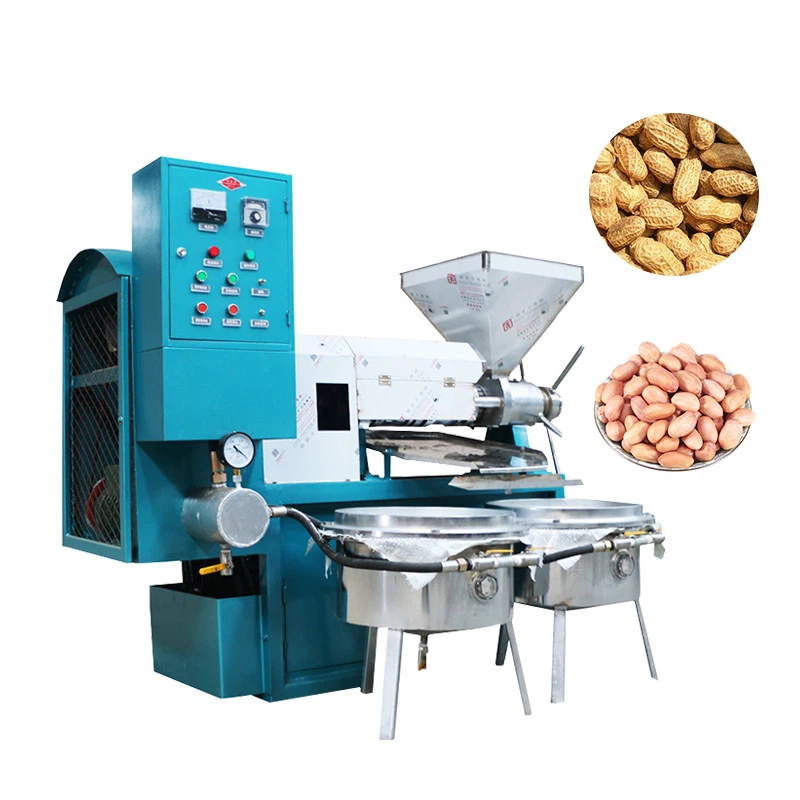
For those looking to produce peanut oil, our Peanut Oil Press Machine is a reliable choice. It is designed to extract oil efficiently while maintaining the quality of the oil.
Our Eco Smart Oil Maker Machine is a state - of - the - art machine that combines advanced technology with energy efficiency. It can be used for pressing a variety of oils, including corn oil, and offers features that help optimize the pressing time and quality.
Contact for Procurement
If you're in the market for a high - quality corn oil press or any of our other oil press machines, we're here to help. Whether you're a small - scale farmer, a large - scale commercial producer, or someone interested in making your own oil at home, we have the right solution for you. Contact us to discuss your specific needs and start a procurement negotiation. We're committed to providing you with the best equipment and support to ensure the success of your oil production operation.
References
- Smith, J. (2018). "The Science of Oil Pressing: Factors Affecting Oil Quality". Journal of Agricultural and Food Chemistry.
- Johnson, A. (2019). "Optimizing Pressing Time for Maximum Oil Yield and Quality". Food Technology Magazine.
- Brown, C. (2020). "The Impact of Pressing Conditions on the Nutritional Value of Vegetable Oils". Nutrition Research Journal.