

What is the difference between a large - capacity and a small - capacity oil press?
Jun 17, 2025
Leave a message
Hey there! As an oil press supplier, I've seen all sorts of oil presses, from the small - capacity ones to the large - capacity beasts. And let me tell you, there are some significant differences between them. So, if you're in the market for an oil press, this blog is gonna be super helpful for you.
Capacity and Output
The most obvious difference between a large - capacity and a small - capacity oil press is, well, the capacity. A small - capacity oil press is designed for home use or small - scale production. It can typically process anywhere from a few kilograms to maybe 20 - 30 kilograms of oilseeds per hour. For example, if you're just making a bit of olive oil for your family, a small - capacity Olive Oil Press Machine is gonna be perfect. It won't take up too much space in your kitchen and can easily handle the amount of olives you'd collect from your backyard trees.
On the other hand, large - capacity oil presses are built for commercial operations. These bad boys can process hundreds or even thousands of kilograms of oilseeds per hour. If you're running a big - scale palm oil plantation, a Palm Oil Press with high capacity is a must. It can keep up with the large volume of palm fruits you need to process, ensuring that you can meet the market demand.
Size and Space Requirements
Size matters when it comes to oil presses. Small - capacity oil presses are usually compact and lightweight. They're easy to move around and don't need a lot of space. You can place them on a countertop in your kitchen or in a small corner of your workshop. This makes them ideal for people with limited space, like those living in apartments or small houses.
In contrast, large - capacity oil presses are huge. They need a dedicated industrial space to be installed. You gotta have a big warehouse or a factory floor to accommodate them. They also come with a lot of additional equipment, like conveyors and storage tanks, which further increase the space requirements. But if you're in the commercial oil - production business, the space investment is worth it because of the high - volume output they can deliver.
Power Consumption
Power consumption is another key difference. Small - capacity oil presses generally use less power. Since they're designed for small - scale operations, they don't need a lot of energy to run. This means lower electricity bills for you. For instance, an electric small - capacity Electric Oil Press Machine might only use a few hundred watts of power, which is similar to a small household appliance.
Large - capacity oil presses, however, are power - hungry. They require a significant amount of electricity to operate their heavy - duty motors and large - scale processing mechanisms. You need to have a proper industrial power supply to run these machines. But remember, even though they consume more power, the high output they generate can often offset the increased energy costs in a commercial setting.
Cost
Cost is always a major consideration. Small - capacity oil presses are much more affordable. You can find a decent small - capacity oil press for a few hundred dollars. This makes them accessible to individual consumers and small - business owners on a tight budget. It's a great way to start experimenting with oil production without breaking the bank.
Large - capacity oil presses, on the other hand, are expensive. The initial purchase price can be in the tens of thousands or even hundreds of thousands of dollars, depending on the capacity and features. And that's not just the purchase cost. There are also installation costs, maintenance costs, and the cost of hiring trained operators. But if you have a large - scale business and can make good use of the high output, the investment can pay off in the long run.
Maintenance and Complexity
Maintenance is easier for small - capacity oil presses. They have simpler designs and fewer parts, which means there's less that can go wrong. You can usually do basic maintenance tasks yourself, like cleaning and lubricating the machine. And if something does break, replacement parts are generally cheaper and easier to find.
Large - capacity oil presses are more complex. They have a lot of moving parts and advanced control systems. Maintenance requires specialized knowledge and skills. You might need to hire professional technicians to perform regular maintenance and repairs. And when a part breaks, it can be more difficult and expensive to replace. However, many large - capacity oil presses come with after - sales service packages from the manufacturers, which can help ease the maintenance burden.
Flexibility
Small - capacity oil presses offer more flexibility. You can use them to process different types of oilseeds, like peanuts, sunflower seeds, and sesame seeds, all in small quantities. This is great if you want to experiment with different oils or if you have a diverse range of oilseeds available.
Large - capacity oil presses are often more specialized. They're designed to handle a large volume of a specific type of oilseed efficiently. For example, a palm oil press is optimized for processing palm fruits. While some large - capacity presses can be adjusted to handle different seeds to some extent, they're generally less flexible compared to small - capacity ones.
Quality of Output
In terms of the quality of the oil produced, both small - and large - capacity oil presses can produce high - quality oil if they're well - designed and properly maintained. However, large - capacity oil presses often have more advanced filtration and refining systems. This can result in a more refined and consistent quality of oil, which is important for commercial products that need to meet strict quality standards.
Small - capacity oil presses might produce oil with a more rustic flavor, which some people actually prefer. The oil might have a bit more sediment and a less uniform appearance, but it can also retain more of the natural nutrients and flavors of the oilseeds.

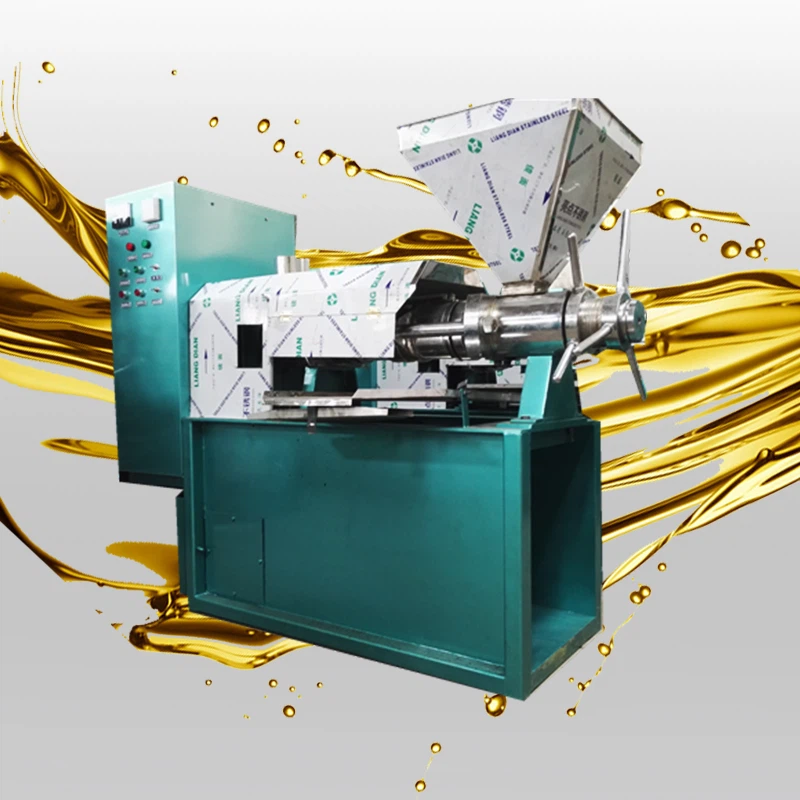
Which One Should You Choose?
So, which oil press is right for you? If you're an individual looking to make oil at home for personal use or for a small local market, a small - capacity oil press is the way to go. It's affordable, easy to use, and doesn't require a lot of space or maintenance.
If you're a commercial producer with a large - scale operation, a large - capacity oil press is essential. It can handle the high volume of oilseeds you need to process and ensure that you can meet the market demand efficiently.
Whether you're leaning towards a small - or large - capacity oil press, I'm here to help. As an oil press supplier, I have a wide range of options to suit your needs. If you're interested in learning more about our oil presses or want to discuss your specific requirements, feel free to reach out. We can have a detailed chat about which machine would be the best fit for your situation.
In conclusion, understanding the differences between large - capacity and small - capacity oil presses is crucial when making a purchasing decision. Consider your production needs, budget, space, and other factors before making a choice. And remember, I'm just a message away to assist you in finding the perfect oil press for your business or home use.
References
- Industry reports on oil press technology and market trends
- Manufacturer's specifications and brochures for different oil presses
So, don't hesitate to get in touch if you're ready to take the next step in your oil - production journey!