

How does a refinery refining machine affect the quality of refined products?
Jun 13, 2025
Leave a message
Hey there! I'm a supplier of Refinery Refining Machines, and today I wanna chat about how these machines can really impact the quality of refined products.
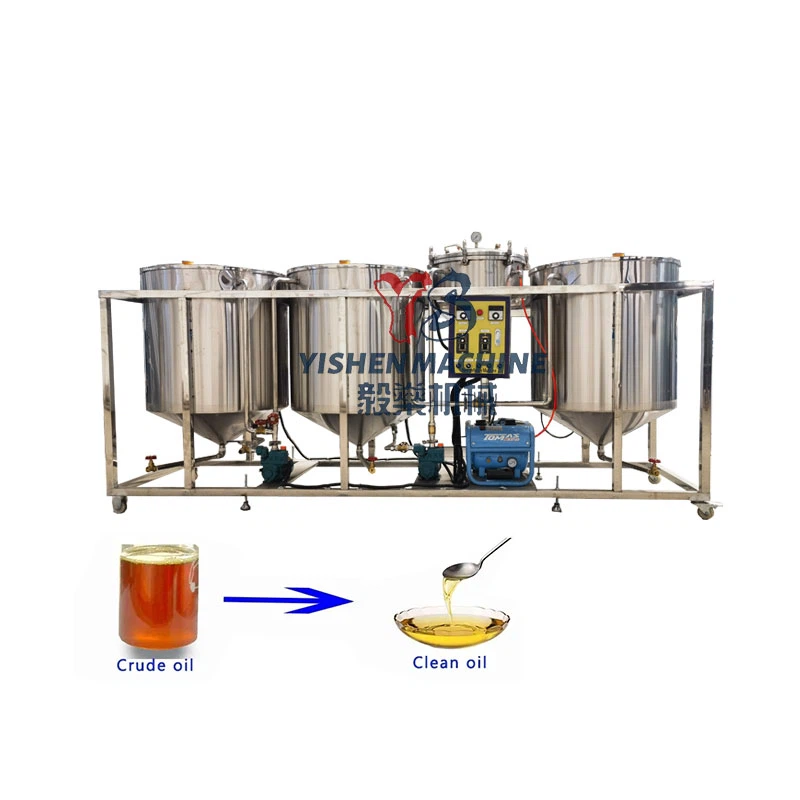
Let's start with the basics. Refining machines are like the heart of the refining process. Whether we're talking about Crude Oil Refinery Machine for processing crude oil or Soybean Oil Refinery Machine for getting that pure soybean oil, they play a crucial role.

Precision in Separation
One of the key ways a refinery refining machine affects product quality is through its ability to separate different components precisely. Take crude oil, for example. It's a complex mixture of hydrocarbons, and we need to separate them into useful products like gasoline, diesel, and jet fuel. A high - quality refinery machine uses advanced distillation techniques. The distillation column in a good Crude Oil Refinery Machine can accurately separate the various fractions based on their boiling points. If the machine has a well - designed column with the right number of trays and efficient heat transfer, it can achieve a more precise separation. This means that the gasoline we get will have the right octane rating, and the diesel will have the appropriate cetane number. If the separation isn't precise, the products might be contaminated with other fractions, which can lead to poor performance in engines. For instance, if gasoline contains too many heavy hydrocarbons, it can cause engine knocking, reducing the efficiency and lifespan of the engine.
Removal of Impurities
Another major factor is the machine's capacity to remove impurities. In the case of soybean oil, there are impurities like free fatty acids, phospholipids, and pigments. A Soybean Oil Refinery Machine uses processes like degumming, neutralization, bleaching, and deodorization to get rid of these impurities. The degumming process removes phospholipids, which can cause the oil to become cloudy and affect its stability. If the machine doesn't perform this step effectively, the oil will have a shorter shelf - life and might not be suitable for certain applications. During neutralization, free fatty acids are removed. A good machine will be able to control the amount of alkali added precisely to avoid over - or under - neutralization. Over - neutralization can lead to the loss of valuable oil components, while under - neutralization leaves behind free fatty acids, which can cause the oil to go rancid more quickly. Bleaching is used to remove pigments, and a high - quality machine will use the right type and amount of bleaching earth to achieve a clear and light - colored oil. Deodorization gets rid of unpleasant odors and flavors. If the deodorization process in the Soybean Oil Refinery Machine isn't done properly, the oil will have an off - smell and taste, making it less appealing to consumers.
Consistency in Processing
Consistency is key when it comes to refining. A reliable refinery refining machine will be able to produce consistent results batch after batch. This is especially important for large - scale production. For example, in an oil refinery that produces thousands of barrels of gasoline every day, the quality of the gasoline needs to be the same throughout. A machine with advanced control systems can maintain the same operating conditions, such as temperature, pressure, and flow rate, for each batch. If the temperature in a distillation column fluctuates too much, it can affect the separation process and lead to inconsistent product quality. In a Soybean Oil Refinery Machine, consistent processing ensures that the oil has the same color, flavor, and nutritional value in every batch. This is important for meeting customer expectations and complying with industry standards.
Advanced Technology and Innovation
The use of advanced technology in refinery machines can also significantly improve the quality of refined products. Newer machines are often equipped with sensors and automation systems. These sensors can monitor various parameters in real - time, such as the composition of the feedstock, the temperature and pressure in different parts of the machine, and the quality of the output. For example, in a Crude Oil Refinery Machine, sensors can detect the presence of contaminants in the crude oil and adjust the refining process accordingly. Automation systems can then make immediate changes to the operating conditions to optimize the refining process and improve product quality. Some machines also use advanced catalysts in the refining process. Catalysts can speed up chemical reactions and improve the selectivity of the reactions. In the production of gasoline, catalysts can help in the cracking of heavy hydrocarbons into lighter, more valuable ones. A machine that uses high - performance catalysts can produce gasoline with a higher octane rating and fewer pollutants.
Energy Efficiency and Quality
Energy efficiency is not only good for the environment and cost - savings but also has an impact on product quality. A refinery machine that uses energy efficiently can maintain stable operating conditions more easily. For example, a well - insulated distillation column in a Crude Oil Refinery Machine can reduce heat loss, which means that the temperature inside the column can be more accurately controlled. This leads to better separation and higher - quality products. In a Soybean Oil Refinery Machine, energy - efficient heating and cooling systems can ensure that the oil is processed at the right temperatures during different stages of refining, preventing thermal degradation of the oil and maintaining its quality.
Maintenance and Quality
Proper maintenance of refinery refining machines is essential for ensuring high - quality products. Over time, parts of the machine can wear out, and deposits can build up. For example, in a distillation column, trays can get damaged or fouled with deposits. If these issues aren't addressed, they can disrupt the separation process and reduce the quality of the refined products. Regular cleaning and inspection of the machine can prevent these problems. A well - maintained Oil Refinery Machines will operate more smoothly and produce products with consistent quality.
Impact on the Market
The quality of refined products has a direct impact on the market. High - quality products are more likely to meet industry standards and customer expectations. For example, in the fuel market, consumers want gasoline and diesel that can provide good performance and low emissions. If a refinery can produce high - quality fuels using advanced Crude Oil Refinery Machine, it can gain a competitive edge in the market. In the food industry, high - quality soybean oil with good flavor, color, and stability is more likely to be used by food manufacturers. This can lead to more business opportunities for the refinery.
Conclusion
So, as you can see, a refinery refining machine has a huge impact on the quality of refined products. From precise separation and impurity removal to consistency in processing and the use of advanced technology, every aspect of the machine's performance matters. If you're in the business of producing refined products, investing in a high - quality Oil Refinery Machines is a must. It can not only improve the quality of your products but also increase your competitiveness in the market.
If you're interested in learning more about our Refinery Refining Machines or want to start a procurement discussion, don't hesitate to reach out. We're here to help you get the best machines for your refining needs.
References
- Smith, J. (2020). "Advances in Refining Technology". Journal of Refining Industry.
- Johnson, A. (2019). "Quality Control in Oil Refining". Oil and Gas Magazine.
- Brown, C. (2021). "The Role of Machines in Food Oil Refining". Food Processing Journal.