

What is the working principle of a canola pressing machine?
Jul 14, 2025
Leave a message
Canola, a widely cultivated oilseed crop, has gained significant popularity due to its numerous health benefits and versatile applications. As a leading canola pressing machine supplier, I am often asked about the working principle of these machines. In this blog post, I will delve into the details of how canola pressing machines operate, shedding light on the process that transforms canola seeds into valuable oil.
Understanding Canola Seeds
Before we explore the working principle of a canola pressing machine, it is essential to understand the nature of canola seeds. Canola seeds are small, round, and typically black or brown in color. They contain a high percentage of oil, ranging from 40% to 44%, making them an excellent source of vegetable oil. The oil extracted from canola seeds is known for its low saturated fat content, high levels of monounsaturated fats, and beneficial omega-3 fatty acids, making it a healthy choice for cooking and food production.
The Basic Components of a Canola Pressing Machine
A canola pressing machine consists of several key components that work together to extract oil from canola seeds. These components include:
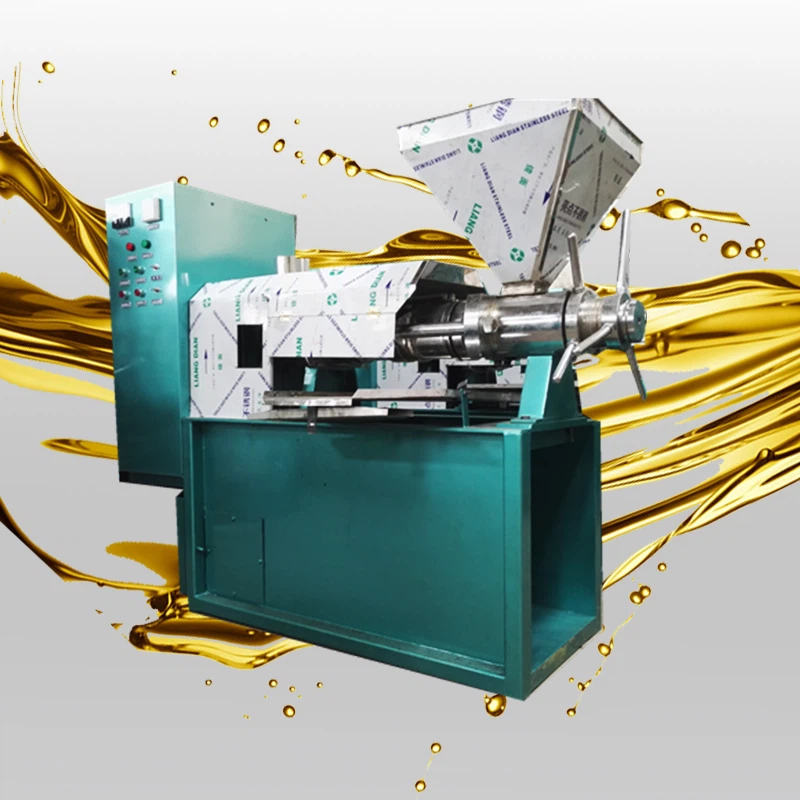

- Hopper: The hopper is the entry point for the canola seeds. It stores the seeds and feeds them into the pressing chamber at a controlled rate.
- Pressing Chamber: The pressing chamber is where the actual oil extraction takes place. It is equipped with a screw or piston mechanism that applies pressure to the canola seeds, squeezing out the oil.
- Filter: The filter is used to separate the oil from the solid residue, known as cake. It removes impurities and ensures that the extracted oil is clean and pure.
- Oil Outlet: The oil outlet is the point where the extracted oil exits the pressing machine. It is connected to a container or storage tank for collection.
- Cake Outlet: The cake outlet is where the solid residue, or cake, is discharged from the pressing machine. The cake can be used as animal feed or for other purposes.
The Working Principle of a Canola Pressing Machine
The working principle of a canola pressing machine can be divided into several stages:
- Seed Preparation: Before the canola seeds are fed into the pressing machine, they need to be cleaned and pre-treated to remove any impurities, such as dirt, stones, and debris. This can be done using a variety of methods, including screening, winnowing, and magnetic separation.
- Seed Feeding: Once the canola seeds are clean, they are fed into the hopper of the pressing machine. The hopper is designed to store the seeds and feed them into the pressing chamber at a controlled rate. This ensures that the seeds are evenly distributed and that the pressing process is efficient.
- Pressing: As the canola seeds enter the pressing chamber, they are subjected to high pressure by the screw or piston mechanism. The pressure causes the seeds to rupture, releasing the oil. The oil is then forced through small openings in the pressing chamber and collected in the oil outlet.
- Filtration: After the oil is extracted, it passes through a filter to remove any solid particles or impurities. The filter can be made of various materials, such as cloth, paper, or metal mesh. The filtered oil is then collected in a container or storage tank for further processing or use.
- Cake Discharge: The solid residue, or cake, that remains after the oil has been extracted is discharged from the pressing machine through the cake outlet. The cake can be used as animal feed, fertilizer, or for other purposes.
Types of Canola Pressing Machines
There are several types of canola pressing machines available on the market, each with its own unique features and advantages. Some of the most common types include:
- Mechanical Presses: Mechanical presses use a screw or piston mechanism to apply pressure to the canola seeds. They are relatively simple in design and are suitable for small-scale operations.
- Hydraulic Presses: Hydraulic presses use hydraulic cylinders to apply pressure to the canola seeds. They are more powerful and efficient than mechanical presses and are suitable for large-scale operations.
- Solvent Extraction Machines: Solvent extraction machines use a chemical solvent, such as hexane, to extract the oil from the canola seeds. They are highly efficient and can extract a higher percentage of oil than mechanical or hydraulic presses. However, they require more complex equipment and are more expensive to operate.
Advantages of Using a Canola Pressing Machine
Using a canola pressing machine offers several advantages, including:
- High Efficiency: Canola pressing machines are designed to extract oil from canola seeds quickly and efficiently. They can process large quantities of seeds in a short period of time, increasing productivity and reducing labor costs.
- Quality Oil: The oil extracted from canola seeds using a pressing machine is of high quality and purity. It is free from impurities and retains its natural flavor and nutritional properties.
- Versatility: Canola pressing machines can be used to extract oil from a variety of other oilseeds, such as soybeans, sunflower seeds, and peanuts. This makes them a versatile investment for farmers and oil producers.
- Environmental Friendliness: Canola pressing machines are environmentally friendly as they do not use any chemicals or solvents in the oil extraction process. This reduces the risk of pollution and ensures that the oil is safe for human consumption.
Choosing the Right Canola Pressing Machine
When choosing a canola pressing machine, there are several factors to consider, including:
- Capacity: The capacity of the pressing machine refers to the amount of canola seeds it can process per hour. It is important to choose a machine with a capacity that matches your production needs.
- Type of Press: As mentioned earlier, there are several types of canola pressing machines available, each with its own unique features and advantages. Consider the type of press that is most suitable for your operation.
- Quality and Durability: Look for a pressing machine that is made of high-quality materials and is built to last. A durable machine will require less maintenance and will provide reliable performance over a long period of time.
- Price: The price of a canola pressing machine can vary depending on its capacity, type, and features. It is important to compare prices from different suppliers and choose a machine that offers the best value for your money.
Conclusion
In conclusion, a canola pressing machine is a valuable investment for farmers and oil producers who want to extract high-quality oil from canola seeds. By understanding the working principle of these machines and choosing the right one for your operation, you can increase productivity, improve the quality of your oil, and reduce labor costs. If you are interested in purchasing a canola pressing machine, please do not hesitate to [contact us] for more information and to discuss your specific requirements. We are a leading supplier of canola pressing machines and offer a wide range of models to suit your needs. Visit our website to learn more about our Stainless Steel Oil Press Machine, Homemade Oil Press Machine, and Electric Oil Press Machine.
References
- Smith, J. (2019). Canola Oil Production: A Comprehensive Guide. Agricultural Science Press.
- Jones, R. (2020). Oilseed Processing Technologies. Food Science and Technology Journal.
- Brown, S. (2021). The Future of Canola Oil Extraction. Renewable Energy Magazine.