

What is the noise reduction technology applied in palm oil press machines?
Aug 14, 2025
Leave a message
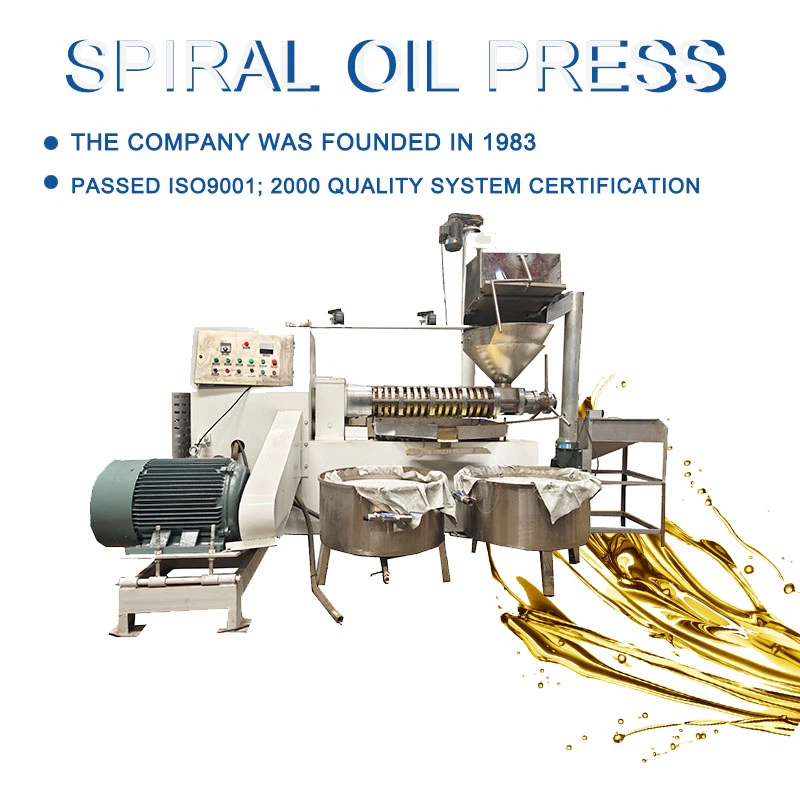
Hey there! As a supplier of Palm Oil Press Machines, I often get asked about the noise reduction technology used in these machines. It's a crucial aspect, especially when you're running a palm oil production business. No one wants a noisy machine that disrupts the work environment or even causes health issues for the workers. So, let's dive into what noise reduction technology is applied in palm oil press machines.
First off, we need to understand where the noise in palm oil press machines comes from. There are mainly two sources. One is the mechanical operation of the machine. The moving parts like gears, motors, and the pressing mechanism itself can generate a lot of noise when they're in action. The other source is the vibration. When the machine is working, it vibrates, and this vibration can transfer to the surrounding structures, amplifying the noise.
Now, let's talk about the technologies used to reduce this noise.
Isolation Technology
One of the most common methods is isolation. We use special materials to isolate the noisy components from the rest of the machine and the environment. For example, we can install rubber or foam pads between the machine's base and the floor. These pads act as shock absorbers, reducing the vibration that's transferred to the floor. When the vibration is reduced, so is the noise.
Another way of isolation is using enclosures. We can build an enclosure around the noisy parts of the machine, like the motor or the pressing chamber. These enclosures are made of sound - absorbing materials. They trap the noise inside and prevent it from spreading to the outside. It's like having a little sound - proof room for the noisy components.
Lubrication
Proper lubrication is also key to noise reduction. When the moving parts of the machine are well - lubricated, there's less friction between them. Friction is a major cause of noise in mechanical systems. By using high - quality lubricants, we can ensure that the gears, bearings, and other moving parts work smoothly. This not only reduces noise but also extends the lifespan of the machine.
For instance, in our Heavy Duty Oil Press Machine, we pay special attention to lubrication. We use advanced lubrication systems that automatically apply the right amount of lubricant at the right time. This keeps the machine running quietly and efficiently.
Design Optimization
The design of the machine itself can have a big impact on noise levels. We can optimize the shape and structure of the machine to reduce noise. For example, we can use aerodynamic designs for the fans and other rotating parts. These designs reduce the turbulence and air resistance, which in turn reduces the noise generated by the air flow.
We can also optimize the layout of the machine's components. By placing the noisy parts away from the operator's area or other quiet areas of the factory, we can minimize the impact of the noise on the workers.
Sound - Absorbing Materials
Using sound - absorbing materials inside the machine is another effective way. We can line the inner walls of the pressing chamber or the enclosure with materials like fiberglass or acoustic panels. These materials are designed to absorb sound waves. When the sound waves hit these materials, they're converted into heat energy, reducing the overall noise level.
In our Coconut Oil Press Machine, we've incorporated a lot of sound - absorbing materials. This makes it a great choice for those who are looking for a quiet - running oil press machine.
Active Noise Control
This is a more advanced technology. Active noise control systems use microphones to detect the noise generated by the machine. Then, they generate an anti - noise signal that has the opposite phase of the original noise. When these two signals combine, they cancel each other out, reducing the overall noise level.
However, active noise control systems are more expensive and complex. But for those who need a very quiet working environment, it can be a great investment. Our Hydraulic Cold Press Oil Machine can be equipped with an optional active noise control system for customers who demand the lowest possible noise levels.

Maintenance
Regular maintenance is also important for noise reduction. Over time, the parts of the machine can wear out, which can increase noise levels. By regularly inspecting and replacing worn - out parts, we can keep the machine running quietly.
For example, if a bearing starts to make noise, it's a sign that it might be worn out. By replacing it in time, we can prevent the noise from getting worse and also avoid more serious damage to the machine.
In conclusion, there are several noise reduction technologies applied in palm oil press machines. From isolation and lubrication to design optimization and active noise control, each method plays an important role in reducing the noise generated by these machines.
If you're in the market for a palm oil press machine and are concerned about noise levels, we've got you covered. Our machines are designed with the latest noise reduction technologies to ensure a quiet and efficient operation. Whether you need a heavy - duty machine for large - scale production or a smaller one for a local business, we have the right solution for you.
Don't hesitate to contact us if you're interested in learning more or if you want to discuss your specific requirements. We're here to help you make the best choice for your palm oil production needs.
References
- "Industrial Noise Control and Acoustics" by Clarence W. Harris
- "Mechanical Vibration Analysis and Prediction" by Robert D. Blevins