

What is the function of the different parts of a corn oil press?
May 16, 2025
Leave a message
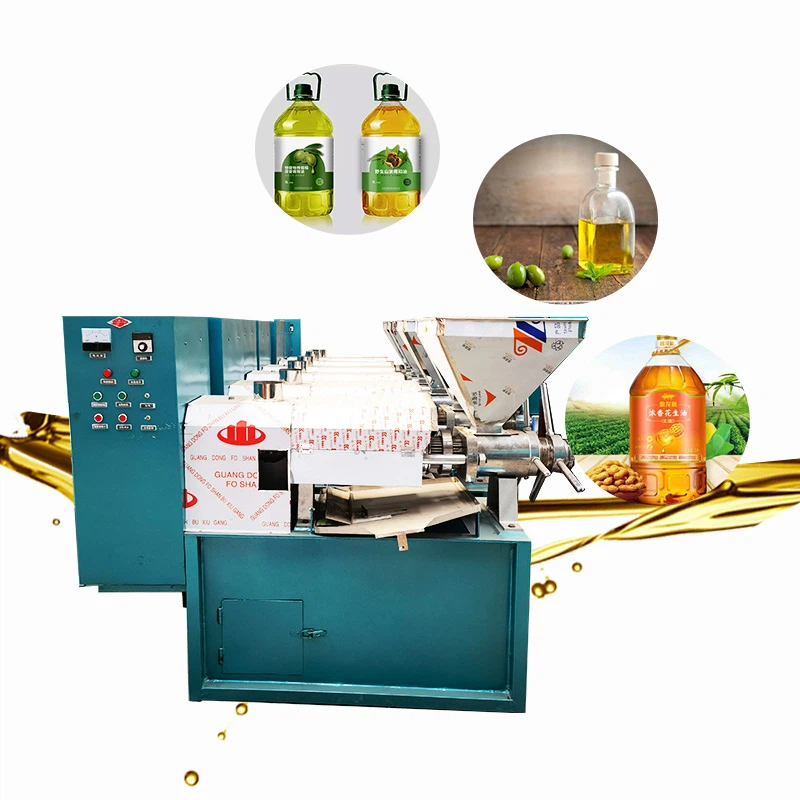
As a supplier of corn oil presses, I've witnessed firsthand the remarkable efficiency and functionality of these machines. In this blog post, I'll delve into the functions of different parts of a corn oil press, shedding light on how each component contributes to the overall oil extraction process.
Feeding Hopper
The feeding hopper is the starting point of the oil extraction process. It serves as a reservoir where raw corn kernels are loaded into the press. This part is designed to hold a sufficient amount of corn, allowing for continuous operation without the need for frequent refilling. The size and shape of the feeding hopper can vary depending on the model of the press. Some hoppers are large and wide, enabling easy pouring of a substantial quantity of corn at once.
The design of the feeding hopper also takes into account the flow of the corn kernels. It is often sloped to ensure that the kernels move smoothly towards the pressing chamber. This prevents clogging and ensures a consistent supply of raw material for the extraction process. Our Corn Oil Press models are equipped with well - designed feeding hoppers that enhance the overall efficiency of the machine.
Screw Shaft
The screw shaft is one of the most crucial components of a corn oil press. It is responsible for conveying the corn kernels through the pressing chamber and applying pressure to extract the oil. As the screw shaft rotates, it moves the corn kernels forward while gradually compressing them. The pitch of the screw shaft decreases along its length, which means that the space between the threads becomes smaller. This reduction in pitch causes the pressure on the corn kernels to increase steadily.

The screw shaft is made of high - quality materials such as hardened steel to withstand the high pressure and friction generated during the pressing process. Its surface is often polished to prevent the corn from sticking and to ensure smooth operation. The rotation speed of the screw shaft can be adjusted according to the type and moisture content of the corn, allowing for optimal oil extraction. In our Portable Oil Press Machine, the screw shaft is precisely engineered to provide efficient and consistent oil extraction.
Pressing Chamber
The pressing chamber is where the actual oil extraction takes place. It is a cylindrical structure that houses the screw shaft. The inner wall of the pressing chamber is lined with a series of small grooves or perforations. As the screw shaft compresses the corn kernels, the oil is squeezed out and flows through these grooves and perforations.
The pressing chamber is designed to withstand high pressure. It is usually made of thick - walled metal to ensure its durability. The temperature inside the pressing chamber also plays an important role in the oil extraction process. Some corn oil presses are equipped with heating devices to maintain an optimal temperature, which can improve the fluidity of the oil and increase the extraction rate. Our Organic Oil Making Machine features a well - designed pressing chamber that maximizes oil yield while preserving the quality of the oil.
Filtering System
After the oil is extracted from the corn kernels, it contains impurities such as small particles of corn, husks, and other debris. The filtering system is responsible for removing these impurities to produce clean and pure corn oil.
There are different types of filtering systems used in corn oil presses. Some use a simple mesh filter, which traps the larger particles while allowing the oil to pass through. More advanced filtering systems may use multiple layers of filters or even a centrifugal separator. The centrifugal separator works by spinning the oil at high speed, separating the impurities from the oil based on their different densities.
The filtering system ensures that the final product meets the quality standards. Clean oil not only has a better appearance but also has a longer shelf life. Our corn oil presses are equipped with high - efficiency filtering systems that ensure the production of high - quality corn oil.
Oil Outlet
The oil outlet is the point where the extracted and filtered oil leaves the press. It is designed to allow for easy collection of the oil. The size and shape of the oil outlet can vary, but it is usually located at the bottom or side of the press.
A well - designed oil outlet ensures that the oil flows smoothly without any blockages. It may be equipped with a valve or a tap to control the flow of the oil. This allows the operator to collect the oil in containers of different sizes.
Residue Outlet
During the oil extraction process, after the oil has been squeezed out of the corn kernels, the remaining solid material, known as the residue or cake, needs to be removed from the press. The residue outlet is where this residue is discharged.
The residue outlet is designed to prevent the accumulation of the residue inside the press, which could otherwise affect the performance of the machine. It is often located at the end of the pressing chamber. The residue can be used for various purposes, such as animal feed or as a raw material for other industrial processes.
Motor and Transmission System
The motor is the power source of the corn oil press. It provides the energy needed to drive the screw shaft and other moving parts of the machine. The power of the motor can vary depending on the size and capacity of the press. A larger press with a higher production capacity will typically require a more powerful motor.
The transmission system is responsible for transferring the power from the motor to the screw shaft. It usually consists of belts, gears, or chains. The transmission system is designed to ensure a smooth and efficient transfer of power, with minimal loss. It also allows for the adjustment of the rotation speed of the screw shaft, which is crucial for achieving optimal oil extraction.
Control Panel
The control panel is the interface through which the operator can control and monitor the operation of the corn oil press. It typically includes buttons, switches, and indicators. The operator can use the control panel to start and stop the machine, adjust the rotation speed of the screw shaft, set the temperature (if the press is equipped with a heating device), and monitor the status of the machine.
The control panel is designed to be user - friendly, even for operators with limited technical knowledge. It provides clear and intuitive controls, making it easy to operate the press efficiently.
Conclusion
In conclusion, each part of a corn oil press plays a vital role in the oil extraction process. From the feeding hopper that supplies the raw material to the filtering system that produces clean oil, every component is carefully designed and engineered to ensure efficient and high - quality oil production.
If you're interested in purchasing a corn oil press for your business or personal use, I encourage you to explore our range of products. We offer a variety of Corn Oil Press models, including Portable Oil Press Machine and Organic Oil Making Machine, to meet different needs and budgets. Contact us for more information and to start a procurement negotiation. We look forward to serving you and helping you achieve your oil production goals.

References
- Smith, J. (2018). Principles of Oil Extraction Machinery. Industrial Press Inc.
- Brown, A. (2020). Advances in Oil Press Technology. Journal of Agricultural Engineering, 35(2), 45 - 52.