

What are the simulation training methods for refinery equipment operation?
Jul 09, 2025
Leave a message
Hey there! As a supplier of refinery equipment, I've seen firsthand how crucial it is for operators to have top - notch skills when it comes to running refinery equipment. Simulation training methods play a huge role in achieving that. So, let's dig into what these simulation training methods for refinery equipment operation are all about.
1. Computer - based Simulation
One of the most common methods is computer - based simulation. It's like having a virtual refinery right on your computer screen. With this method, trainees can interact with a digital model of the refinery equipment. They can start up the machines, adjust different parameters such as temperature, pressure, and flow rate, and see how the equipment responds in real - time.
This type of simulation is great because it allows trainees to make mistakes without any real - world consequences. For example, if they accidentally set the pressure too high in the simulation, they'll see the virtual equipment start to malfunction. But in the real world, that kind of mistake could lead to serious accidents.
Many software programs are available for this purpose. Some are specifically designed for refinery equipment operation. These programs often come with detailed graphics and user - friendly interfaces. Trainees can run through various scenarios, like normal operation, emergency shutdowns, and equipment failures. They can also practice troubleshooting techniques to figure out what's going wrong and how to fix it.
If you're interested in automating your refinery operations, check out Refinery Automators. This resource can give you a better idea of how to integrate automation into your refinery and how simulation can be used in that process.
2. Virtual Reality (VR) Simulation
VR simulation is taking refinery equipment training to the next level. With VR headsets, trainees are immersed in a 3D virtual environment that looks and feels just like a real refinery. They can walk around the virtual refinery, inspect the equipment up close, and even use virtual tools to operate the machines.
The sense of presence in a VR environment is really powerful. Trainees can experience things like the noise of the machinery, the heat from the reactors, and the vibrations. This makes the training more engaging and memorable. For instance, when training for a maintenance task, trainees can use their virtual hands to disassemble and reassemble parts of the equipment, just like they would in real life.
VR simulation also allows for collaborative training. Multiple trainees can be in the same virtual refinery at the same time, working together to solve problems. This is great for developing teamwork skills, which are essential in a refinery setting.
3. Augmented Reality (AR) Simulation
AR simulation combines the real world with virtual elements. Trainees wear AR glasses or use mobile devices with AR capabilities. When they look at the actual refinery equipment, the AR system overlays virtual information on top of what they're seeing.
For example, if a trainee is looking at a pump, the AR system can show the internal components of the pump, the flow of the fluid, and the current operating parameters. This helps trainees understand how the equipment works in a more intuitive way. They can also get step - by - step instructions for maintenance or operation tasks right in their field of view.
AR simulation is very practical because it can be used directly on the refinery floor. Trainees can learn while being in the actual work environment, which helps with the transfer of skills from training to real - world operation.
4. Full - scale Physical Simulators
Full - scale physical simulators are large, real - life replicas of refinery equipment. They are built to function just like the actual equipment used in a refinery. Trainees can operate these simulators in a controlled environment.
These simulators provide a hands - on experience that is very close to working with the real equipment. Trainees can feel the physical controls, hear the sounds of the machinery, and see the actual process taking place. For example, a full - scale distillation column simulator can be used to teach trainees about the distillation process, how to adjust the trays, and how to monitor the product quality.
However, full - scale physical simulators are expensive to build and maintain. They also take up a lot of space. But for some critical operations, the investment can be worth it because of the high - quality training they offer.
5. Case - based Simulation
Case - based simulation involves presenting trainees with real - world scenarios or case studies. These cases can be based on past incidents in refineries, such as equipment breakdowns, safety violations, or production inefficiencies.
Trainees are given the details of the case, including the initial conditions, the events that took place, and the data collected. They then have to analyze the situation, come up with possible solutions, and present their findings. This method helps trainees develop critical thinking and problem - solving skills.
For example, a case study might involve a sudden drop in the output of a refinery unit. Trainees would have to review the operating data, consider possible causes like a blocked pipe or a malfunctioning valve, and propose a plan to restore normal operation.
The Importance of Simulation Training
Simulation training has many benefits. First of all, it improves safety. By allowing trainees to practice in a risk - free environment, they can gain the confidence and skills needed to operate the equipment safely in real life. This reduces the likelihood of accidents and injuries in the refinery.
Secondly, simulation training can increase efficiency. Trainees can learn how to optimize the operation of the equipment, reduce downtime, and improve the quality of the products. They can also practice different techniques to respond quickly to emergencies, which can minimize the impact on production.
Finally, simulation training is cost - effective in the long run. Although there is an initial investment in setting up the simulation systems, it's much cheaper than the cost of accidents, equipment damage, and lost production that can occur due to untrained operators.
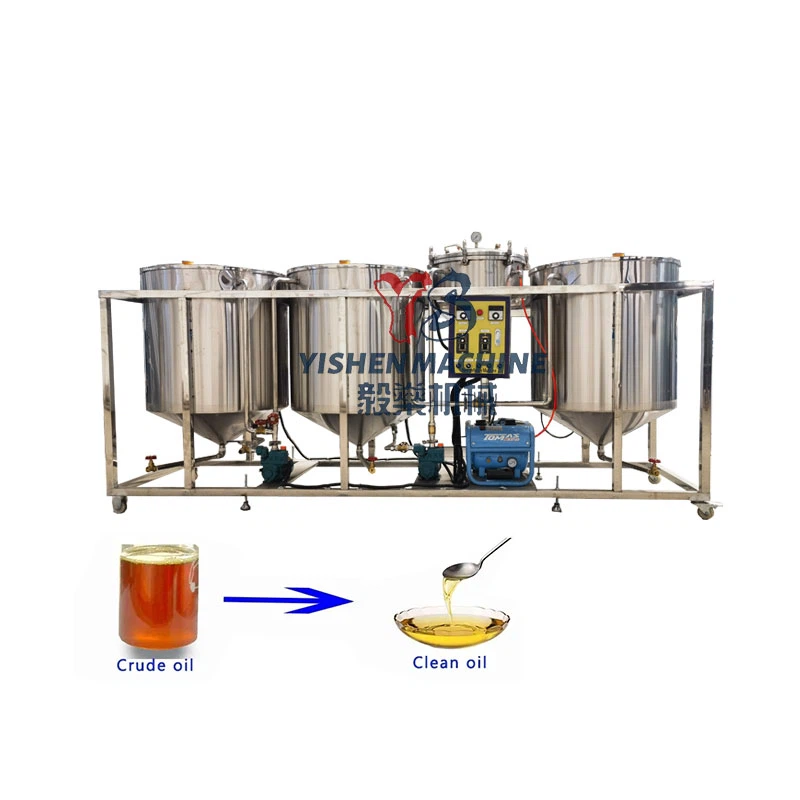
If you're in the market for small - scale refinery equipment, take a look at Small Oil Refinery Machine. And if you're dealing with soybean oil refining, Soybean Oil Refinery Machine can provide you with relevant information.

Contact for Purchase and Consultation
If you're interested in any of our refinery equipment or want to learn more about our simulation training programs, don't hesitate to reach out. We're here to help you choose the right equipment and training methods for your refinery. Whether you're a small - scale operation or a large - scale refinery, we have solutions that can meet your needs.
References
- Smith, J. (2020). "Advances in Refinery Equipment Simulation Training". Journal of Refinery Technology.
- Johnson, A. (2019). "The Role of Virtual Reality in Refinery Operator Training". International Journal of Industrial Training.
- Brown, C. (2021). "Case - based Learning in Refinery Operations". Refinery Management Review.