

What are the requirements for the compressor systems in oil refinery machines?
Nov 20, 2025
Leave a message
As a seasoned supplier of Oil Refinery Machines, I've witnessed firsthand the critical role that compressor systems play in the refining process. Compressors are the heart of many oil refinery operations, responsible for handling a wide range of gases and vapors under varying conditions. In this blog, I'll delve into the key requirements for compressor systems in oil refinery machines, drawing on my years of experience and industry knowledge.
1. High - Pressure and High - Temperature Resistance
One of the primary requirements for compressor systems in oil refineries is the ability to withstand high pressures and temperatures. In the refining process, compressors are often used to compress gases such as hydrogen, methane, and propane, which are present in various refining units. These gases need to be compressed to high pressures for processes like hydrocracking, hydrotreating, and gas recovery.
For example, in hydrocracking units, hydrogen is compressed to pressures ranging from 100 to 200 bar or even higher. The compressor must be designed to handle these extreme pressures without leakage or mechanical failure. Additionally, the temperature of the gas being compressed can also be quite high, especially in processes where heat is generated during chemical reactions. Compressor materials and lubrication systems need to be carefully selected to ensure reliable operation at elevated temperatures.
2. Corrosion Resistance
Oil refinery environments are highly corrosive due to the presence of various chemicals, sulfur compounds, and moisture. Compressor systems are constantly exposed to these corrosive elements, which can cause significant damage over time. Therefore, corrosion resistance is a crucial requirement.
The compressor housing, internal components, and piping should be made of materials that can withstand corrosion. Stainless steel, nickel - based alloys, and special coatings are commonly used to protect the compressor from corrosion. For instance, in refineries that process high - sulfur crude oils, the compressor parts in contact with the gas stream are often made of corrosion - resistant alloys to prevent sulfur - induced corrosion.
3. Reliability and Low Maintenance
Reliability is of utmost importance in oil refinery operations. Any downtime of the compressor system can lead to significant production losses and potential safety hazards. Compressors need to be designed and built to operate continuously for long periods without major breakdowns.
This requires high - quality manufacturing, rigorous testing, and the use of reliable components. Regular maintenance is also essential, but the design should be such that maintenance tasks are minimized and can be carried out efficiently. For example, some modern compressors are designed with easy - access panels and modular components, allowing for quick replacement of worn - out parts.
4. Efficiency
Energy efficiency is a major concern in oil refineries, as compressors consume a large amount of energy. An efficient compressor system can significantly reduce operating costs and environmental impact. High - efficiency compressors are designed to minimize energy losses during the compression process.
This can be achieved through advanced design features such as optimized compression ratios, improved aerodynamics, and the use of energy - saving motors. Variable - speed drives are also commonly used to adjust the compressor speed according to the actual demand, further improving energy efficiency.
5. Compatibility with Different Gases
Oil refineries deal with a wide variety of gases, each with its own unique properties. Compressor systems need to be compatible with these different gases. For example, some gases may be highly flammable, while others may be toxic or have special handling requirements.
The compressor design should take into account the specific characteristics of the gas being compressed. This includes considerations such as the gas's molecular weight, compressibility factor, and reactivity. Special seals, gaskets, and lubricants may be required for different gases to ensure safe and efficient operation.
6. Safety Features
Safety is a top priority in oil refineries. Compressor systems must be equipped with a range of safety features to prevent accidents. These include pressure relief valves, temperature sensors, and emergency shutdown systems.
Pressure relief valves are designed to release excess pressure in case of a malfunction, preventing over - pressurization of the compressor and associated piping. Temperature sensors monitor the compressor's temperature and can trigger an alarm or shutdown if the temperature exceeds a safe limit. Emergency shutdown systems can quickly stop the compressor in case of a serious problem, such as a fire or a major leak.

7. Noise and Vibration Control
Compressor systems can generate significant noise and vibration during operation. Excessive noise can be a nuisance to workers and may also violate environmental regulations. Vibration can cause damage to the compressor itself and other nearby equipment.
To address these issues, compressors are often equipped with noise - reducing enclosures and vibration - damping mounts. The design of the compressor and its installation should also be optimized to minimize noise and vibration generation.
8. Capacity and Flexibility
Compressor systems in oil refineries need to have sufficient capacity to meet the production requirements. The capacity should be sized based on the expected gas flow rate and pressure requirements of the specific refining process.
Moreover, flexibility is also important. Refineries may need to adjust their production levels or switch between different processes over time. Compressor systems should be able to adapt to these changes, either through variable - speed operation or the ability to add or remove compression stages.
9. Compliance with Industry Standards
Compressor systems in oil refineries must comply with a variety of industry standards and regulations. These standards cover aspects such as safety, environmental protection, and performance. For example, the American Petroleum Institute (API) has developed a series of standards for compressor design, installation, and operation in the oil and gas industry.
Compliance with these standards ensures that the compressor system is safe, reliable, and environmentally friendly. It also helps to ensure compatibility with other equipment in the refinery and facilitates the procurement and installation process.
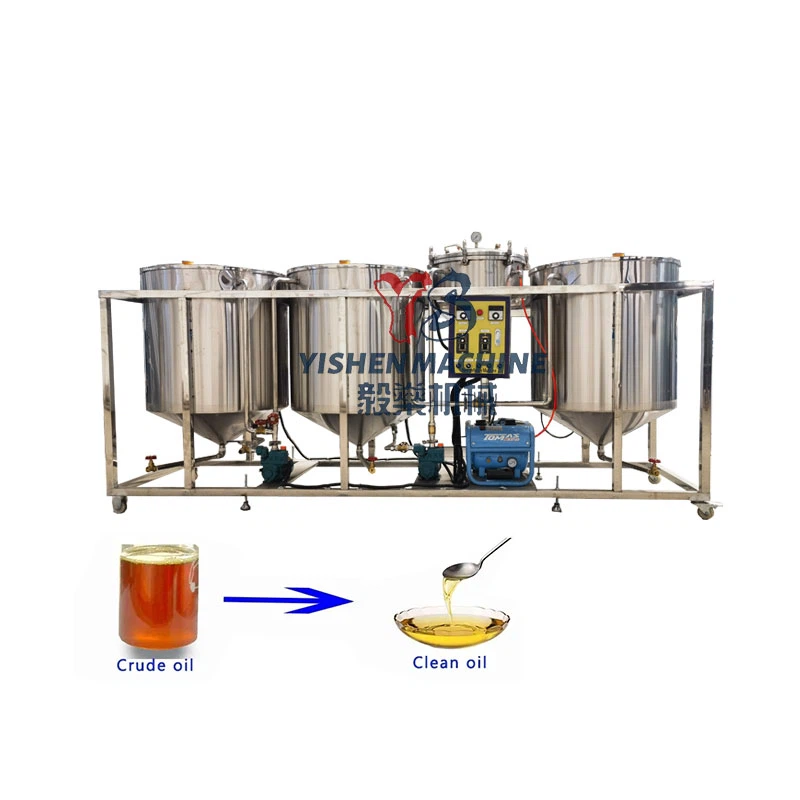
If you are in the market for high - quality oil refinery machines, we offer a wide range of products to meet your needs. Our Soybean Oil Refinery Machine is designed for efficient soybean oil refining, while our Oil Refinery Machine for Home is perfect for small - scale operations. We also have Used Cooking Oil Refinery Machine for recycling used cooking oil.
If you are interested in our products or have any questions about compressor systems in oil refinery machines, please feel free to contact us for a detailed discussion and procurement negotiation. We are committed to providing you with the best solutions for your oil refining needs.
References
- API Standards for Compressors in the Oil and Gas Industry.
- ASME Boiler and Pressure Vessel Code for Compressor Design and Safety.
- Industry research reports on oil refinery equipment and compressor technology.