

What are the disadvantages of using an oil refining machine?
Jul 21, 2025
Leave a message
As a supplier of oil refining machines, I've witnessed firsthand the widespread adoption of these devices across various industries. Oil refining machines play a crucial role in transforming crude oils into usable products, whether it's cooking oil for our kitchens, refined coconut oil for beauty and health products, or recycled engine oil for automotive use. However, like any technology, oil refining machines come with their own set of disadvantages. In this blog post, I'll explore some of the drawbacks associated with using oil refining machines, which potential buyers should consider before making a purchase.
High Initial Investment
One of the most significant disadvantages of using an oil refining machine is the high initial investment required. Setting up an oil refining plant involves purchasing the refining equipment, installing it, and ensuring it meets all the necessary safety and environmental regulations. For instance, a Cooking Oil Refinery Machine capable of processing a large volume of crude oil can cost hundreds of thousands of dollars. This high cost can be a significant barrier for small and medium - sized enterprises (SMEs) or entrepreneurs looking to enter the oil refining business.
In addition to the cost of the machine itself, there are also costs associated with infrastructure development. A proper oil refining facility needs to have adequate storage for raw materials and finished products, as well as a reliable power supply. These additional costs can further strain the financial resources of a new business.
Complex Operation and Maintenance
Oil refining machines are complex pieces of equipment that require skilled operators to run them efficiently. The refining process involves a series of chemical and physical reactions, and any mistake in operation can lead to poor product quality or even safety hazards. For example, in the case of a Coconut Oil Refinery Machine, improper temperature control during the refining process can result in the degradation of the oil's nutritional value.
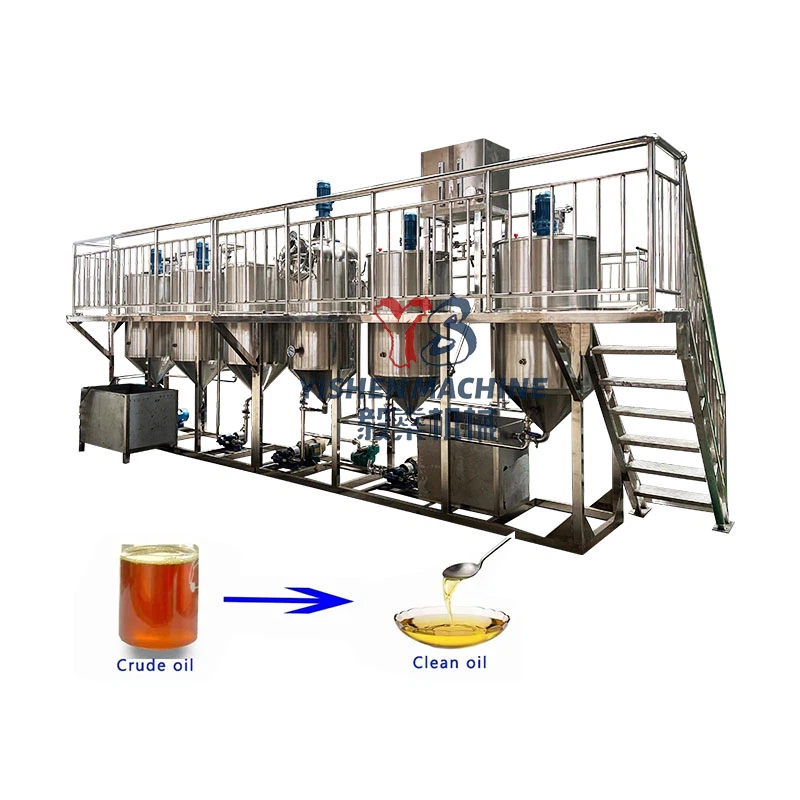

Maintenance of oil refining machines is also a complex and costly task. Regular maintenance is essential to ensure the longevity and proper functioning of the equipment. This includes cleaning, lubrication, and replacement of worn - out parts. Specialized technicians are often required to carry out these maintenance tasks, which can be expensive. Moreover, during maintenance periods, the production has to be halted, leading to a loss of productivity.
Environmental Impact
The operation of oil refining machines can have a significant environmental impact. The refining process often involves the use of chemicals such as acids, alkalis, and solvents, which can be harmful to the environment if not properly managed. These chemicals can contaminate soil, water, and air if they are released into the environment.
For example, the disposal of waste products generated during the refining process, such as spent catalysts and sludges, is a major environmental concern. These waste products may contain heavy metals and other toxic substances that can pose a threat to human health and the ecosystem. In addition, the energy consumption of oil refining machines is relatively high, contributing to greenhouse gas emissions and climate change.
Limited Feedstock Compatibility
Another disadvantage of oil refining machines is their limited feedstock compatibility. Different types of oil refining machines are designed to process specific types of crude oils. For example, a Used Engine Oil Refinery Machine is specifically designed to refine used engine oil and may not be suitable for processing other types of oils such as vegetable oils.
This limited compatibility can be a problem for businesses that want to diversify their product range or use different types of feedstocks. If a company wants to switch from one type of oil to another, it may need to invest in a new refining machine, which adds to the overall cost.
Market Uncertainty
The oil refining industry is highly influenced by market conditions. Fluctuations in the price of crude oil and refined products can have a significant impact on the profitability of oil refining businesses. For example, if the price of crude oil increases while the price of refined products remains stable, the profit margin of the refinery will be squeezed.
Moreover, changes in consumer preferences and government regulations can also pose challenges to the oil refining industry. For instance, the growing demand for bio - based and sustainable products may reduce the market demand for traditional refined oils. New environmental regulations may also require oil refineries to upgrade their equipment to meet the new standards, which can be costly.
Despite these disadvantages, oil refining machines still offer many benefits, such as the ability to produce high - quality refined oils and the potential for recycling used oils. If you are considering purchasing an oil refining machine, it's important to carefully weigh these pros and cons.
If you have any questions about our oil refining machines or would like to discuss a potential purchase, please feel free to reach out. We are always here to provide you with professional advice and solutions tailored to your specific needs.
References
- Smith, J. (2018). The Economics of Oil Refining. Journal of Energy Economics, 45(2), 123 - 135.
- Johnson, A. (2019). Environmental Impacts of Oil Refining Processes. Environmental Science Review, 32(3), 210 - 225.
- Brown, C. (2020). Feedstock Compatibility in Oil Refining Machines. Industrial Engineering Journal, 55(4), 345 - 358.