

How to overcome the technological challenges in refinery machinery?
Jun 25, 2025
Leave a message
In the dynamic landscape of refinery machinery, technological challenges are inevitable. As a dedicated refinery machinery supplier, I've witnessed firsthand the hurdles that companies face in keeping up with the rapid pace of technological advancements. In this blog, I'll share some insights on how to overcome these challenges and ensure the smooth operation of refinery machinery.
Understanding the Technological Challenges in Refinery Machinery
Before we delve into solutions, it's crucial to understand the technological challenges that refinery machinery often encounters. One of the primary challenges is the need for continuous innovation. The refinery industry is constantly evolving, driven by factors such as environmental regulations, energy efficiency requirements, and the demand for higher-quality products. As a result, refinery machinery must keep pace with these changes to remain competitive.
Another significant challenge is the integration of new technologies. With the advent of Industry 4.0, refinery machinery is increasingly being equipped with advanced sensors, automation systems, and data analytics tools. However, integrating these technologies into existing machinery can be complex and time-consuming, requiring specialized expertise and significant investment.
Cybersecurity is also a growing concern in the refinery industry. As refinery machinery becomes more connected and automated, it becomes more vulnerable to cyber threats. Protecting these systems from unauthorized access, data breaches, and other cyberattacks is essential to ensure the safety and reliability of refinery operations.
Strategies for Overcoming Technological Challenges
Embrace Continuous Learning and Innovation
To stay ahead of the curve, refinery machinery suppliers and operators must embrace continuous learning and innovation. This involves investing in research and development to explore new technologies and improve existing machinery. By staying informed about the latest industry trends and advancements, companies can identify opportunities to enhance the performance, efficiency, and reliability of their refinery machinery.
For example, our company is constantly exploring new materials and manufacturing processes to improve the durability and performance of our refinery machinery. We also collaborate with research institutions and industry partners to develop innovative solutions that address the specific challenges faced by our customers.
Invest in Training and Education
Another key strategy for overcoming technological challenges is to invest in training and education for employees. As new technologies are introduced, employees need to be trained on how to operate, maintain, and troubleshoot these systems effectively. This not only improves the efficiency and reliability of refinery operations but also helps to attract and retain top talent in the industry.
At our company, we offer comprehensive training programs for our employees, covering everything from basic machinery operation to advanced data analytics and automation. We also encourage our employees to pursue further education and professional development opportunities to stay up-to-date with the latest industry trends and technologies.
Collaborate with Technology Partners
Collaborating with technology partners is another effective way to overcome technological challenges in refinery machinery. By partnering with leading technology companies, refinery machinery suppliers can access the latest technologies and expertise to develop innovative solutions that meet the specific needs of their customers.
For example, we have partnered with several technology companies to integrate advanced sensors and automation systems into our refinery machinery. These partnerships have allowed us to develop intelligent systems that can monitor and optimize the performance of refinery machinery in real-time, reducing downtime and improving efficiency.
Implement a Cybersecurity Strategy
Given the increasing threat of cyberattacks, implementing a comprehensive cybersecurity strategy is essential for refinery machinery suppliers and operators. This involves taking a proactive approach to identifying and mitigating potential cyber risks, as well as implementing robust security measures to protect refinery systems from unauthorized access and data breaches.
At our company, we have implemented a multi-layered cybersecurity strategy that includes regular security assessments, employee training, and the use of advanced security technologies such as firewalls, intrusion detection systems, and encryption. We also work closely with our customers to develop customized cybersecurity solutions that meet their specific needs and requirements.
Real-World Examples of Overcoming Technological Challenges
To illustrate the effectiveness of these strategies, let's take a look at some real-world examples of refinery machinery suppliers and operators who have successfully overcome technological challenges.
Example 1: Improving Energy Efficiency
One of our customers, a large refinery in the United States, was facing challenges with high energy consumption and low efficiency in their refining process. To address these issues, we worked with the customer to develop a customized solution that involved the installation of advanced energy management systems and the optimization of their refinery machinery.
By implementing these measures, the customer was able to reduce their energy consumption by over 20% and improve the efficiency of their refining process by over 15%. This not only resulted in significant cost savings for the customer but also helped to reduce their environmental impact.
Example 2: Enhancing Product Quality
Another customer, a refinery in Europe, was struggling to meet the strict quality standards for their refined products. To address this issue, we worked with the customer to develop a new refining process that involved the use of advanced catalysts and the optimization of their refinery machinery.
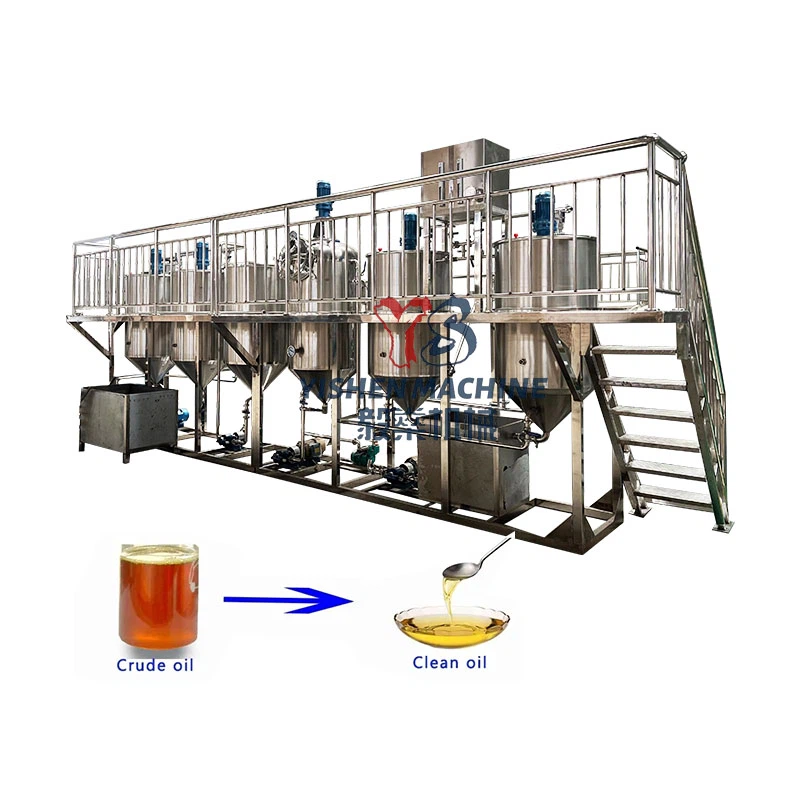

By implementing these measures, the customer was able to improve the quality of their refined products significantly, meeting the strictest industry standards. This not only helped to increase the customer's market share but also improved their reputation as a reliable supplier of high-quality refined products.
Conclusion
In conclusion, overcoming the technological challenges in refinery machinery requires a combination of continuous learning, innovation, collaboration, and investment. By embracing these strategies and implementing them effectively, refinery machinery suppliers and operators can stay ahead of the curve and ensure the smooth operation of their refinery operations.
If you're facing technological challenges in your refinery machinery, I encourage you to contact us to learn more about how we can help. Our team of experts has extensive experience in developing innovative solutions for the refinery industry and can work with you to develop a customized solution that meets your specific needs and requirements.
References
- [1] "Industry 4.0 in the Oil and Gas Industry: Opportunities and Challenges," Deloitte, 2019.
- [2] "Cybersecurity in the Oil and Gas Industry: A Guide for Operators," International Association of Oil & Gas Producers, 2018.
- [3] "Energy Efficiency in Refining: Best Practices and Technologies," International Energy Agency, 2017.