

How to optimize the production process of a mini oil refinery machine?
Jun 05, 2025
Leave a message
As a supplier of Mini Oil Refinery Machines, I've witnessed firsthand the importance of optimizing the production process. In this blog post, I'll share some insights on how to achieve this goal, ensuring your mini oil refinery machine operates at peak efficiency and delivers high - quality products.
1. Raw Material Selection and Preparation
The quality of the raw materials you use has a direct impact on the efficiency and output of your mini oil refinery machine. Different oilseeds have varying oil contents, compositions, and processing requirements. For example, soybeans typically have an oil content of around 18 - 22%, while rapeseeds can have an oil content of 40 - 46%.
When selecting raw materials, look for high - quality seeds that are clean, dry, and free from contaminants. Contaminants such as dirt, stones, and broken seeds can cause blockages in the machine, reduce oil yield, and damage the equipment. To prepare the raw materials, you may need to perform several steps:
- Cleaning: Use a cleaning machine to remove dirt, stones, and other foreign materials from the seeds. This can improve the efficiency of subsequent processing steps and protect the refinery machine from damage.
- Drying: Proper drying is crucial to ensure the moisture content of the seeds is within the optimal range. If the seeds are too wet, it can lead to poor oil extraction and the growth of mold. On the other hand, if they are too dry, the oil yield may decrease. Generally, the moisture content of most oilseeds should be around 8 - 12% for optimal processing.
- Crushing: Crushing the seeds can increase the surface area for oil extraction. You can use a suitable crushing machine to break the seeds into smaller pieces, which will facilitate the release of oil during the extraction process. For more information on oil extraction machines, you can check out our Multi Seed Oil Extraction Machine.
2. Equipment Maintenance and Upgrades
Regular maintenance of your mini oil refinery machine is essential to keep it running smoothly and prevent breakdowns. Here are some key maintenance tasks:
- Lubrication: Ensure all moving parts of the machine are properly lubricated. This reduces friction, extends the lifespan of the components, and improves the overall efficiency of the machine.
- Inspection and Cleaning: Regularly inspect the machine for any signs of wear, damage, or blockages. Clean the filters, pipes, and other parts to prevent the accumulation of debris, which can impede the flow of oil and reduce the machine's performance.
- Calibration: Periodically calibrate the machine to ensure accurate measurement and control of various parameters such as temperature, pressure, and flow rate. This is crucial for maintaining consistent product quality.
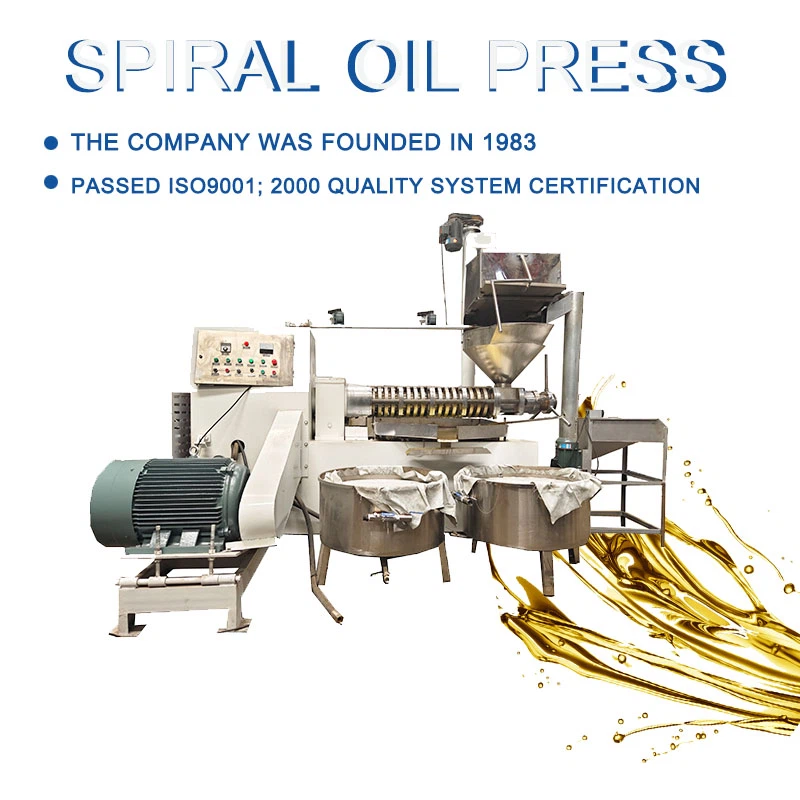
In addition to maintenance, upgrading your equipment can also significantly enhance the production process. Newer models of mini oil refinery machines often come with advanced features such as improved extraction technology, better control systems, and higher energy efficiency. For instance, our Heavy Duty Oil Press Machine is designed for high - volume production with enhanced durability and performance.
3. Process Optimization
Optimizing the refining process itself can lead to higher oil yields, better product quality, and lower production costs. Here are some aspects to consider:
- Extraction Process: The extraction process is the core of the oil refinery operation. There are different methods of oil extraction, including mechanical pressing and solvent extraction. Mechanical pressing is more environmentally friendly and suitable for small - scale production, while solvent extraction can achieve higher oil yields. You need to choose the most appropriate method based on your production requirements and the type of raw materials.
- Refining Steps: After extraction, the crude oil needs to go through several refining steps to remove impurities and improve its quality. These steps may include degumming, neutralization, bleaching, and deodorization. Each step requires careful control of process parameters to ensure the best results. For example, during the degumming process, the addition of phosphoric acid can help remove phospholipids from the crude oil. The amount of acid and the reaction time need to be precisely controlled to avoid over - or under - degumming.
- Energy Management: Energy consumption is a significant cost factor in the oil refinery process. You can optimize energy usage by using energy - efficient equipment, recovering waste heat, and implementing proper insulation. For example, using an Electric Oil Press Machine can be more energy - efficient compared to traditional fuel - powered machines.
4. Quality Control
Maintaining high - quality standards is crucial for the success of your oil refinery business. Quality control should be implemented at every stage of the production process, from raw material inspection to the final product.
- In - process Monitoring: Regularly monitor the key process parameters such as temperature, pressure, and oil quality during production. This allows you to detect any deviations from the standard and take corrective actions in a timely manner.
- Final Product Testing: Conduct comprehensive testing of the final product to ensure it meets the relevant quality standards. This may include testing for parameters such as acid value, peroxide value, color, and odor. By providing high - quality products, you can enhance your reputation in the market and attract more customers.
5. Staff Training
Well - trained staff are essential for the smooth operation and optimization of the mini oil refinery machine. Your employees should be familiar with the equipment, the production process, and quality control procedures.
- Equipment Operation Training: Provide in - depth training on how to operate the mini oil refinery machine safely and efficiently. This includes training on starting and stopping the machine, adjusting process parameters, and performing basic maintenance tasks.
- Process Knowledge Training: Train your staff on the entire oil refinery process, from raw material selection to final product packaging. This will help them understand the importance of each step and how their actions can impact the overall quality and efficiency of production.
- Quality Control Training: Educate your employees on quality control standards and testing methods. This enables them to identify quality issues early and take appropriate measures to address them.
In conclusion, optimizing the production process of a mini oil refinery machine requires a comprehensive approach that includes raw material selection, equipment maintenance, process optimization, quality control, and staff training. By implementing these strategies, you can improve the efficiency of your production, increase oil yields, and enhance the quality of your products.
If you are interested in learning more about our Mini Oil Refinery Machines or have any questions regarding the production process optimization, feel free to contact us for a detailed discussion and potential purchase. We are committed to providing you with the best solutions to meet your oil refinery needs.

References
- Smith, J. (2018). Oil Refining Technology: Principles and Applications. Publisher XYZ.
- Brown, A. (2019). Small - Scale Oil Production: A Practical Guide. Publisher ABC.
- Green, L. (2020). Advances in Oil Extraction and Refining Processes. Journal of Oil Science and Technology, Vol. 25, Issue 3.