

How to operate a canola pressing machine to achieve the best oil quality?
Dec 10, 2025
Leave a message
How to Operate a Canola Pressing Machine to Achieve the Best Oil Quality?
As a leading supplier of Canola Pressing Machines, I understand the importance of extracting high - quality canola oil. Canola oil is known for its health benefits, including a good balance of fatty acids and low saturated fat content. To ensure that you get the best oil quality from your canola pressing machine, there are several key steps and considerations to keep in mind.
1. Selecting High - Quality Canola Seeds
The quality of the canola seeds you use is the foundation for producing high - quality oil. Look for seeds that are clean, free from debris, and have a high oil content. High - quality seeds typically have a bright, uniform color and are plump. Avoid seeds that are moldy, damaged, or have a low moisture content. Moisture content is crucial; if the seeds are too dry, the oil extraction efficiency will be low, and if they are too wet, it can lead to mold growth during storage and affect the oil quality. A moisture content of around 8 - 10% is ideal for canola seeds.
You can source your canola seeds from reliable suppliers. It's also a good idea to test the seeds before using them in your pressing machine. You can do a simple germination test or send the seeds to a laboratory for more comprehensive analysis.
2. Pre - processing the Canola Seeds
Before pressing the canola seeds, pre - processing is necessary to improve the oil extraction rate and quality. The first step is cleaning the seeds. Use a seed cleaner to remove dirt, stones, and other foreign materials. This not only protects your pressing machine from damage but also ensures that the oil is free from impurities.
Next, you may need to condition the seeds. Conditioning involves adjusting the moisture and temperature of the seeds. Heating the seeds to an appropriate temperature can help to break down the cell walls and release the oil more easily. Generally, heating the canola seeds to around 60 - 70°C is recommended. You can use a seed heater or a dryer for this purpose. However, be careful not to over - heat the seeds, as this can cause the oil to oxidize and develop an off - flavor.
3. Operating the Canola Pressing Machine
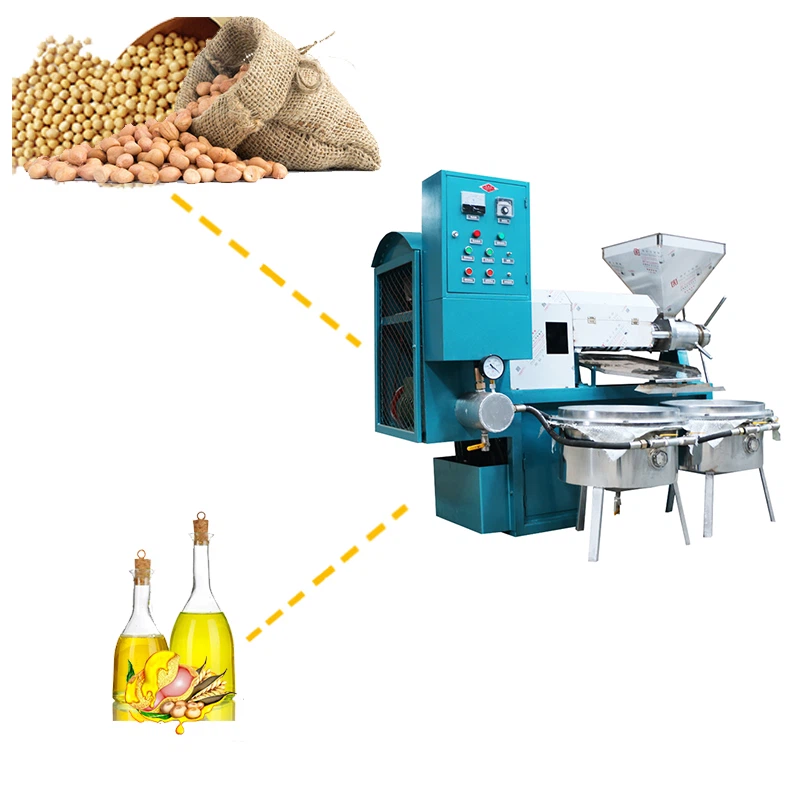
Once the canola seeds are pre - processed, it's time to operate the pressing machine. First, make sure the pressing machine is clean and in good working condition. Check all the components, such as the screw, barrel, and filter, to ensure they are properly installed and functioning.
When feeding the seeds into the pressing machine, do it at a steady and consistent rate. Overloading the machine can lead to uneven pressing and lower oil quality. The pressing pressure also plays a crucial role. Adjust the pressure according to the type of pressing machine and the characteristics of the canola seeds. In general, a higher pressure can increase the oil extraction rate, but it may also cause more impurities to be squeezed out with the oil.
The speed of the pressing machine is another important factor. A slower speed usually results in better oil quality because it allows more time for the oil to be separated from the seed cake. However, a very slow speed may reduce the production efficiency. You need to find the right balance between speed and quality based on your specific production requirements.
During the pressing process, monitor the temperature of the machine. Excessive heat can damage the oil and affect its quality. If the temperature rises too high, you may need to adjust the speed or take other cooling measures.

4. Filtering the Extracted Oil
After pressing, the extracted oil contains impurities such as seed particles, gums, and waxes. Filtering the oil is essential to improve its clarity and quality. You can use different types of filters, such as plate filters, bag filters, or centrifugal filters.
Start with a coarse filter to remove the larger particles, and then use a finer filter to remove the smaller impurities. The filtering process may need to be repeated several times to achieve the desired oil quality. Make sure to clean the filters regularly to maintain their efficiency.
5. Storing the Oil Properly
Proper storage is crucial to maintain the quality of the canola oil. Store the oil in a clean, air - tight container away from light and heat. Exposure to light and oxygen can cause the oil to oxidize and develop a rancid smell. You can use dark - colored glass or metal containers for storage.
Keep the storage temperature low. A temperature of around 10 - 15°C is ideal for long - term storage. If possible, add antioxidants to the oil to extend its shelf life.
Choosing the Right Canola Pressing Machine
When it comes to choosing a canola pressing machine, there are several options available. For large - scale production, you may consider a Large Oil Press. These machines are designed to handle a large volume of seeds and can provide high - efficiency oil extraction.
If you are interested in processing other types of seeds or oils, a Multi Seed Oil Extraction Machine can be a good choice. It can process different kinds of seeds, including canola, sunflower, and soybean, providing more flexibility for your production.
For those who want to produce coconut oil in addition to canola oil, the Coconut Oil Press Machine is a specialized option. It is designed to extract oil from coconut meat effectively.
Contact Us for Purchase and Consultation
If you are looking for a high - quality canola pressing machine or need more information on how to operate it to achieve the best oil quality, we are here to help. Our team of experts can provide you with professional advice and support. Whether you are a small - scale producer or a large - scale industrial enterprise, we have the right solution for you. Contact us to start your journey towards producing high - quality canola oil.
References
- Smith, J. (2018). "Oilseed Processing Technology". Elsevier.
- Johnson, R. (2019). "Principles of Oil Extraction from Seeds". Journal of Agricultural Engineering.
- Brown, A. (2020). "Quality Control in Canola Oil Production". Food Science and Technology Magazine.