

How to ensure the safety of workers when operating a used oil refinery machine?
Jun 19, 2025
Leave a message
Hey there! As a supplier of Used Oil Refinery Machines, I know firsthand how crucial it is to ensure the safety of workers when operating these machines. Working with used oil refinery equipment can be a risky business, but with the right precautions and safety measures, you can minimize those risks and keep your employees safe. In this blog post, I'll share some tips and best practices on how to do just that.
1. Pre - operation Safety Checks
Before you even start up a used oil refinery machine, a thorough pre - operation safety check is a must. This includes inspecting all the mechanical parts for any signs of wear and tear. Check the belts, chains, and gears to make sure they're in good condition. A loose or worn - out belt can suddenly snap during operation, causing serious injuries.
Also, examine the electrical components. Look for frayed wires, loose connections, or any signs of overheating. Faulty electrical systems can lead to short - circuits, electrical shocks, or even fires. And don't forget to check the safety guards. These are there for a reason! They protect workers from moving parts, flying debris, and other potential hazards. If any safety guards are missing or damaged, get them replaced or repaired right away.
2. Employee Training
You can have the best - maintained used oil refinery machine in the world, but if your workers don't know how to operate it safely, it's all for nothing. That's why comprehensive employee training is essential.
First off, provide general safety training that covers the basics of working in an oil refinery environment. This should include topics like handling hazardous materials, fire safety, and personal protective equipment (PPE) use.
Then, give specific training on the used oil refinery machine itself. Teach your workers how to start and stop the machine correctly, how to adjust its settings, and how to troubleshoot common problems. Hands - on training is often the most effective way to go. Let your employees practice operating the machine under supervision until they're confident and competent.
And remember, training isn't a one - time thing. Regular refresher courses should be conducted to keep your workers up - to - date on the latest safety procedures and machine operations.
3. Use of Personal Protective Equipment (PPE)
PPE is your workers' first line of defense against potential hazards in a used oil refinery. Make sure they're wearing the right gear at all times.
For starters, safety goggles are a must. They protect the eyes from splashes of hot oil, chemicals, and flying particles. Gloves are also important. They not only protect the hands from cuts and burns but also from contact with harmful chemicals. Depending on the type of oil and chemicals being used, you might need chemical - resistant gloves.
A good quality safety helmet should be worn to protect the head from falling objects or impacts. And don't forget about protective clothing. Workers should wear long - sleeved shirts and pants to cover their skin and prevent burns and chemical exposure.
Respiratory protection is also crucial, especially when dealing with fumes and vapors. Depending on the level of exposure, workers might need to wear respirators. Make sure these are properly fitted and maintained.
4. Hazardous Material Handling
Used oil refinery machines deal with all sorts of hazardous materials, including crude oil, chemicals, and waste products. Proper handling of these materials is key to worker safety.
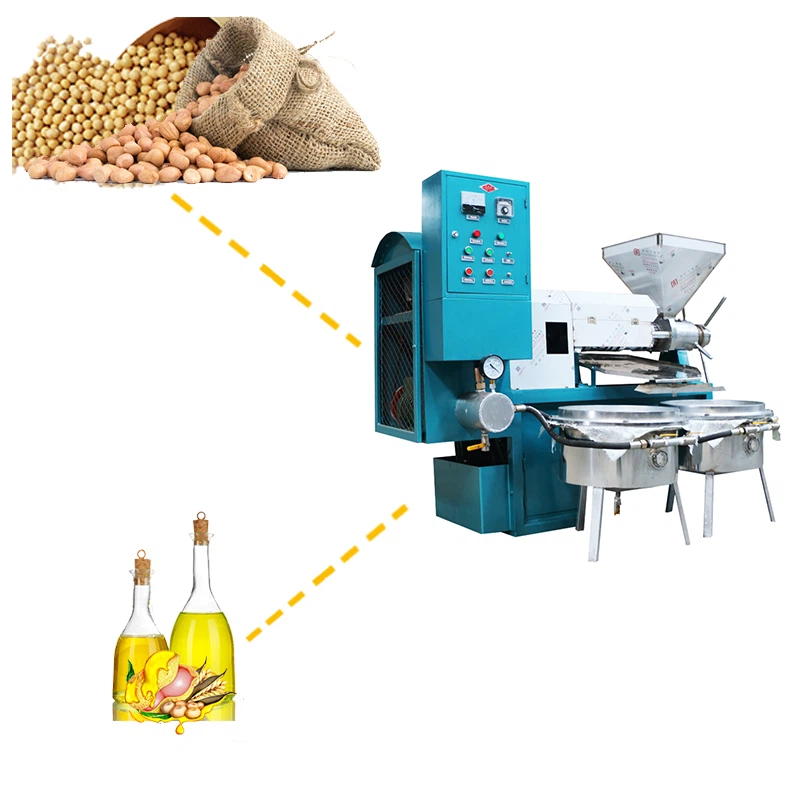

When storing these substances, make sure they're kept in appropriate containers that are labeled clearly. This helps prevent mix - ups and accidental spills. Also, store them in a well - ventilated area away from sources of heat and ignition.
When transferring hazardous materials, use the right equipment. For example, use pumps and hoses that are compatible with the substances being transferred. And always follow the proper procedures to avoid spills and leaks.
In case of a spill or leak, have a spill response plan in place. Train your workers on how to respond quickly and safely to minimize the damage and prevent exposure.
5. Machine Maintenance
Regular maintenance of your used oil refinery machine is essential for both its performance and worker safety. A well - maintained machine is less likely to break down unexpectedly and cause accidents.
Create a maintenance schedule and stick to it. This should include tasks like lubricating moving parts, checking fluid levels, and replacing worn - out components. Keep detailed records of all maintenance activities, including when they were done and what was done.
When performing maintenance, make sure the machine is properly shut down and locked out. This prevents accidental startup while someone is working on it. And always use the right tools and equipment for the job.
6. Emergency Preparedness
No matter how many precautions you take, accidents can still happen. That's why it's important to be prepared for emergencies.
Have an emergency response plan in place that covers all possible scenarios, such as fires, chemical spills, and machine malfunctions. Make sure all your workers are familiar with this plan and know what to do in case of an emergency.
Install emergency equipment like fire extinguishers, first - aid kits, and emergency showers. Check these regularly to make sure they're in working order. And conduct regular emergency drills to test your workers' response times and readiness.
7. Risk Assessment
Regular risk assessments are a great way to identify potential hazards in your used oil refinery and take steps to eliminate or reduce them.
Conduct a thorough assessment of your workplace, including the used oil refinery machine, the surrounding area, and the processes involved. Look for things like slippery floors, exposed electrical wires, and potential pinch points.
Once you've identified the risks, prioritize them based on their likelihood and potential severity. Then, develop strategies to address each risk. This might involve making changes to the machine, improving the work environment, or providing additional training to your workers.
8. Communication
Good communication is key in any workplace, especially in a used oil refinery where safety is of the utmost importance.
Encourage your workers to report any safety concerns or potential hazards as soon as they notice them. Create an open and non - punitive environment where workers feel comfortable speaking up.
Also, make sure there's clear communication between different departments and shifts. This helps ensure that everyone is on the same page when it comes to safety procedures and machine operations.
Other Oil - related Machines
If you're interested in other oil - related machines, we also have some great options. Check out our Large Oil Press, which is perfect for large - scale oil production. We also have a Rice Bran Oil Press Machine that's designed specifically for extracting oil from rice bran. And if you're dealing with cotton seeds, our Cotton Seeds Oil Press is a great choice.
Conclusion
Ensuring the safety of workers when operating a used oil refinery machine is a complex but achievable goal. By following these tips and best practices, you can create a safer work environment for your employees and reduce the risk of accidents and injuries.
If you're in the market for a used oil refinery machine or have any questions about safety in oil refinery operations, don't hesitate to reach out. We're here to help you make the right choices and keep your workers safe. Let's start a conversation and see how we can work together to meet your oil - refinery needs.
References
- Occupational Safety and Health Administration (OSHA) guidelines on industrial machinery safety.
- Industry best practices for used oil refinery operations.