

How are oil refinery machines controlled and monitored?
May 21, 2025
Leave a message
In the intricate world of oil refining, the control and monitoring of oil refinery machines stand as critical pillars ensuring efficiency, safety, and product quality. As a prominent supplier of Oil Refinery Machines, I have witnessed firsthand the transformative impact of advanced control and monitoring systems on the industry. This blog delves into the various methods and technologies employed to control and monitor these essential machines, offering insights into their significance and benefits.
The Basics of Oil Refinery Machine Control
Control systems in oil refineries are designed to regulate the operation of various machines and processes, ensuring they run smoothly and efficiently. These systems can be broadly classified into two categories: manual control and automated control.
Manual control involves human operators directly adjusting the settings and parameters of the machines. This method is often used in smaller refineries or for tasks that require human judgment and intervention. For example, an operator may manually adjust the flow rate of a pump or the temperature of a distillation column based on their experience and observations.
Automated control, on the other hand, relies on sophisticated software and hardware systems to monitor and adjust the operation of the machines automatically. These systems use sensors to collect data on various parameters such as temperature, pressure, flow rate, and level, and then use this data to make real-time adjustments to the machines. Automated control systems offer several advantages over manual control, including increased accuracy, consistency, and efficiency.

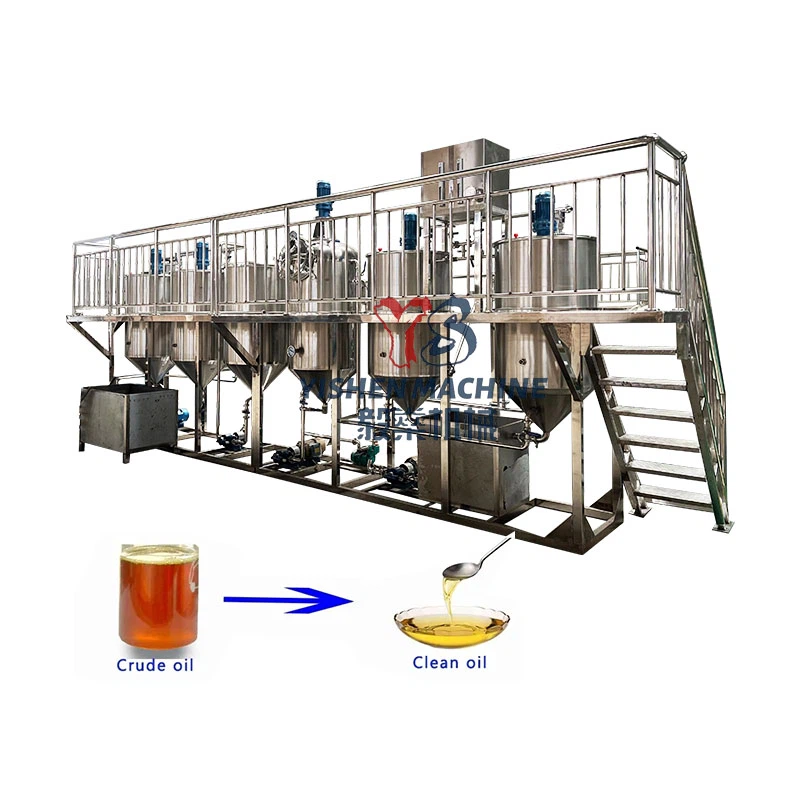
Key Components of Automated Control Systems
Automated control systems in oil refineries typically consist of the following key components:
- Sensors: These devices are used to measure various parameters such as temperature, pressure, flow rate, and level. Sensors are installed throughout the refinery to provide real-time data on the operation of the machines and processes.
- Controllers: Controllers are the brains of the automated control system. They receive data from the sensors and use this data to make decisions about how to adjust the operation of the machines. Controllers can be programmed to follow specific algorithms and rules to ensure optimal performance.
- Actuators: Actuators are devices that are used to physically adjust the operation of the machines. For example, an actuator may be used to open or close a valve, adjust the speed of a pump, or change the position of a damper.
- Communication Networks: Communication networks are used to transmit data between the sensors, controllers, and actuators. These networks can be wired or wireless and are designed to ensure reliable and secure communication.
Types of Automated Control Systems
There are several types of automated control systems used in oil refineries, each with its own advantages and disadvantages. Some of the most common types of automated control systems include:
- Proportional-Integral-Derivative (PID) Controllers: PID controllers are one of the most widely used types of controllers in oil refineries. They use a mathematical algorithm to calculate the error between the desired setpoint and the actual value of a parameter, and then adjust the output of the actuator accordingly. PID controllers are simple to implement and can provide good control performance in many applications.
- Model Predictive Control (MPC) Systems: MPC systems are more advanced than PID controllers and use a mathematical model of the process to predict the future behavior of the system. Based on these predictions, the MPC system can make optimal decisions about how to adjust the operation of the machines to achieve the desired setpoints. MPC systems are particularly useful in complex processes where there are multiple interacting variables.
- Distributed Control Systems (DCS): DCS are large-scale control systems that are used to control and monitor the operation of an entire refinery or a large part of it. DCS consist of multiple controllers, sensors, and actuators that are connected together through a communication network. DCS offer several advantages over other types of control systems, including centralized control, easy scalability, and high reliability.
Monitoring of Oil Refinery Machines
In addition to controlling the operation of oil refinery machines, it is also important to monitor their performance to ensure they are operating safely and efficiently. Monitoring systems are used to collect data on various parameters such as temperature, pressure, flow rate, and vibration, and then analyze this data to detect any potential problems or anomalies.
There are several types of monitoring systems used in oil refineries, including:
- Condition Monitoring Systems: Condition monitoring systems are used to monitor the condition of the machines and detect any signs of wear, damage, or malfunction. These systems use sensors to measure various parameters such as vibration, temperature, and oil quality, and then analyze this data to identify any potential problems. Condition monitoring systems can help prevent unplanned downtime and reduce maintenance costs.
- Process Monitoring Systems: Process monitoring systems are used to monitor the performance of the refinery processes and ensure they are operating within the desired specifications. These systems use sensors to measure various parameters such as temperature, pressure, flow rate, and composition, and then analyze this data to detect any deviations from the setpoints. Process monitoring systems can help optimize the performance of the refinery and improve product quality.
- Safety Monitoring Systems: Safety monitoring systems are used to monitor the safety of the refinery and detect any potential hazards or emergencies. These systems use sensors to detect the presence of toxic gases, fires, and other dangerous conditions, and then trigger alarms or take other appropriate actions to protect the workers and the environment.
Benefits of Advanced Control and Monitoring Systems
The use of advanced control and monitoring systems in oil refineries offers several benefits, including:
- Increased Efficiency: Advanced control systems can optimize the operation of the machines and processes, reducing energy consumption and improving productivity.
- Improved Product Quality: By monitoring and controlling the operation of the machines, advanced control systems can ensure that the products meet the desired specifications and quality standards.
- Enhanced Safety: Safety monitoring systems can detect potential hazards and emergencies in real-time, allowing for quick response and prevention of accidents.
- Reduced Maintenance Costs: Condition monitoring systems can detect signs of wear and damage early, allowing for proactive maintenance and reducing the risk of unplanned downtime.
- Compliance with Regulations: Advanced control and monitoring systems can help refineries comply with various regulations and standards related to safety, environmental protection, and product quality.
Our Oil Refinery Machines and Control Solutions
As a leading supplier of Oil Refinery Machines, we offer a wide range of products and solutions designed to meet the diverse needs of our customers. Our machines are equipped with advanced control and monitoring systems that ensure optimal performance, efficiency, and safety.
We offer a variety of Edible Oil Refinery Machine designed to refine different types of edible oils, including soybean oil, palm oil, and sunflower oil. Our machines are equipped with state-of-the-art control systems that allow for precise control of the refining process, ensuring high-quality products.
In addition to edible oil refinery machines, we also offer Cooking Oil Refinery Machine that are specifically designed for the production of cooking oils. These machines are equipped with advanced control systems that ensure the production of clean, healthy, and delicious cooking oils.
We also offer Coconut Oil Refinery Machine that are designed to extract and refine coconut oil. Our machines are equipped with advanced control systems that ensure the production of high-quality coconut oil with a long shelf life.
Conclusion
In conclusion, the control and monitoring of oil refinery machines are essential for ensuring the efficiency, safety, and product quality of oil refineries. Advanced control and monitoring systems offer several benefits, including increased efficiency, improved product quality, enhanced safety, reduced maintenance costs, and compliance with regulations.
As a leading supplier of Oil Refinery Machines, we are committed to providing our customers with the highest quality products and solutions. Our machines are equipped with advanced control and monitoring systems that ensure optimal performance, efficiency, and safety. If you are interested in learning more about our products and solutions, please contact us to discuss your specific needs and requirements. We look forward to working with you to achieve your goals in the oil refining industry.
References
- Smith, J. (2018). Oil Refinery Automation: Principles and Applications. Elsevier.
- Jones, R. (2019). Control and Monitoring Systems in the Oil and Gas Industry. CRC Press.
- Brown, S. (2020). Advanced Process Control for Oil Refineries. Wiley.