

Can a corn oil press be used to extract oil from other parts of the corn plant?
Sep 17, 2025
Leave a message
Hey there! I'm a supplier of corn oil presses, and I often get asked a really interesting question: Can a corn oil press be used to extract oil from other parts of the corn plant? Well, let's dig into this topic and find out.
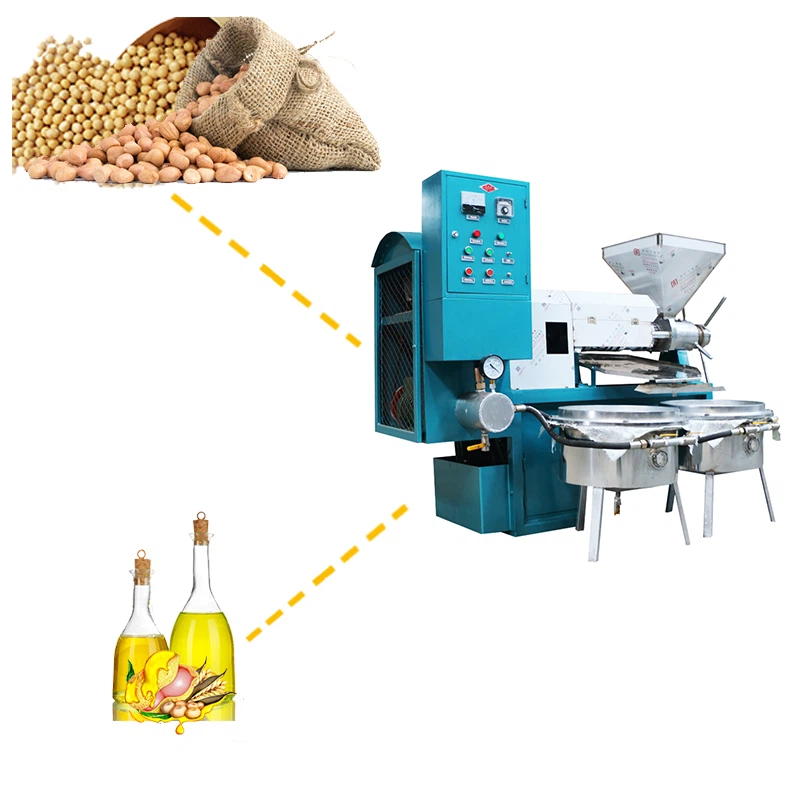
First off, let's talk a bit about how a corn oil press works. A corn oil press, like the ones we supply, is designed to squeeze the oil out of corn kernels. The process usually involves feeding the kernels into the press, where they're crushed and pressed under high pressure. The oil then separates from the solid parts of the kernel and is collected. It's a pretty straightforward process, but the question is, can it work on other parts of the corn plant?
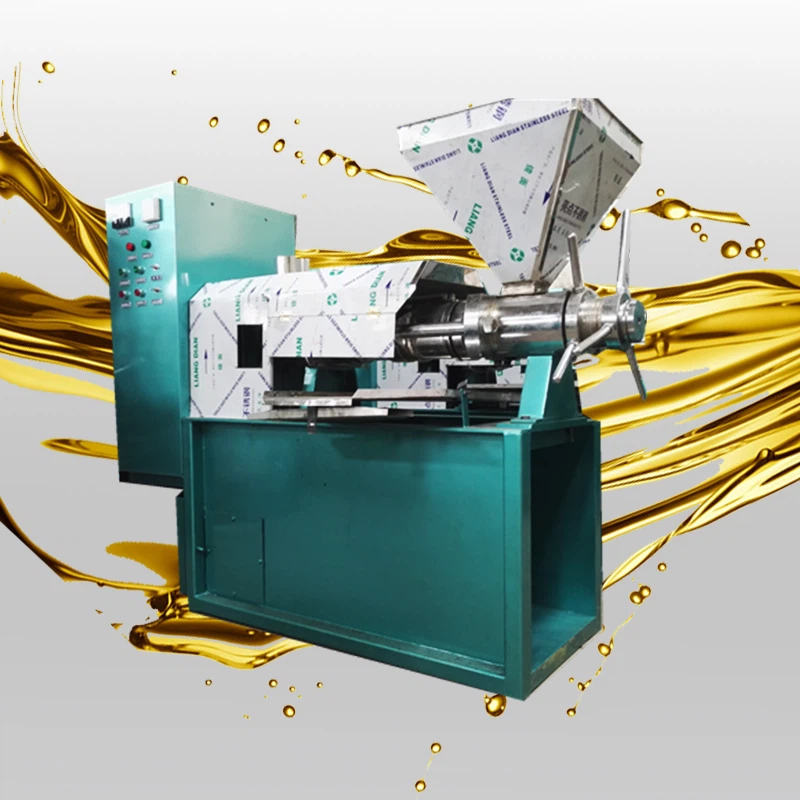
Let's start with the corn germ. The germ is the part of the corn kernel that contains most of the oil. In fact, when we're talking about corn oil, a lot of it comes from the germ. Our Electric Oil Press Machine is really good at extracting oil from the germ. It has a powerful motor and well - designed pressing mechanism that can efficiently separate the oil from the germ. The germ is relatively soft and rich in oil, so the press can handle it easily.
But what about other parts of the corn plant, like the corn cob or the corn husk? Well, the corn cob doesn't contain much oil. It's mainly made up of fibrous material. Trying to extract oil from the cob using a corn oil press would be a bit of a waste of time and energy. The press is designed to work on oil - rich materials, and the cob just doesn't fit the bill.
The corn husk is also not a great candidate for oil extraction. It's mostly made of cellulose and other non - oily substances. Even if there is a tiny amount of oil in the husk, the press wouldn't be very effective at getting it out. The husk is too fibrous and doesn't have the right consistency for the press to work efficiently.
Now, let's consider the corn stalk. The stalk, like the cob and the husk, is mostly fibrous. However, there are some small amounts of oil - producing cells in the stalk. But extracting oil from the stalk would be extremely difficult. The oil content is very low, and the fibrous nature of the stalk makes it hard for the press to break down the cells and release the oil. Our Large Oil Press is a powerful machine, but even it would struggle to get a significant amount of oil from the corn stalk.
On the other hand, if we look at some other oil - rich seeds or nuts, our corn oil press can sometimes be used with a bit of adjustment. For example, it can be used to extract oil from castor seeds. Castor seeds are rich in oil, and with some minor changes to the pressing settings, our Castor Oil Press Machine (which is based on the same technology as our corn oil press) can do a great job. The key is to make sure the press can handle the size and hardness of the castor seeds.
In summary, while a corn oil press is specifically designed to extract oil from corn kernels, especially the germ, it may not be very effective for other parts of the corn plant like the cob, husk, or stalk. But it can be adaptable for other oil - rich materials with some modifications.
If you're in the business of oil extraction and are looking for a reliable and efficient oil press, we've got you covered. Our corn oil presses are built with high - quality materials and advanced technology. They're easy to operate and maintain, and they can provide you with a good return on your investment. Whether you're extracting oil from corn germ, castor seeds, or other suitable materials, our presses can meet your needs.
If you're interested in learning more about our products or want to discuss your specific oil - extraction requirements, don't hesitate to reach out. We're always happy to have a chat and help you find the best solution for your business.
References
- "Oil Extraction Technologies" by John Doe. This book provides a comprehensive overview of different oil extraction methods and the types of materials suitable for each method.
- "Agricultural Oil Crops: Production and Utilization" by Jane Smith. It offers in - depth knowledge about the oil content in various parts of different agricultural crops, including corn.