

How to adjust the refining process parameters of a mini oil refinery machine?
Jan 08, 2026
Leave a message
Hey there! As a supplier of Mini Oil Refinery Machines, I've got some valuable insights to share with you on how to adjust the refining process parameters of these nifty little machines. Whether you're a newbie in the oil refining game or a seasoned pro looking to fine - tune your operations, this blog post is for you.
Understanding the Basics of Mini Oil Refinery Machines
First things first, let's quickly go over what a mini oil refinery machine does. These machines are designed to refine crude oil into usable products like diesel, gasoline, and other petroleum - based fuels. They're great for small - scale operations, as they're compact, efficient, and relatively easy to operate.
Now, the refining process involves several steps, including distillation, cracking, and purification. Each step has its own set of parameters that need to be carefully adjusted to ensure optimal performance.
Adjusting Distillation Parameters
Distillation is the first and most crucial step in the oil refining process. It separates the different components of crude oil based on their boiling points. Here are some key parameters to consider:
Temperature
The temperature at which distillation occurs is super important. You need to set the right temperature range to separate the different fractions of crude oil effectively. For example, if you're aiming to produce gasoline, you'll want to keep the temperature in the range of 30°C - 200°C. Diesel, on the other hand, typically boils between 180°C - 360°C.
To adjust the temperature, you can use the built - in heating elements of the mini oil refinery machine. Most machines come with a temperature control panel where you can set the desired temperature. Make sure to monitor the temperature closely during the distillation process, as any fluctuations can affect the quality of the final product.
Pressure
Pressure also plays a significant role in distillation. Lower pressures can lower the boiling points of the oil components, making it easier to separate them. You can adjust the pressure using the machine's pressure control valves. However, be careful not to set the pressure too low, as it can cause the oil to vaporize too quickly and lead to inefficient separation.
Feed Rate
The rate at which you feed the crude oil into the distillation chamber is another critical parameter. If you feed the oil too quickly, the distillation process may not be complete, and you'll end up with a lower - quality product. On the other hand, if you feed it too slowly, the process will take longer, and you'll waste time and energy. Adjust the feed rate according to the capacity of your mini oil refinery machine. You can usually find the recommended feed rate in the machine's user manual.
Cracking Process Parameters
Cracking is the process of breaking down large hydrocarbon molecules into smaller ones. This is done to increase the yield of valuable products like gasoline. Here's how you can adjust the parameters for the cracking process:
Catalyst
Using the right catalyst is essential for an efficient cracking process. Different catalysts work better for different types of crude oil. You can find a variety of catalysts on the market, and you'll need to choose one that suits your specific needs. Make sure to follow the manufacturer's instructions when adding the catalyst to the machine.
Temperature and Pressure
Similar to distillation, temperature and pressure are crucial in the cracking process. Higher temperatures and pressures can promote more effective cracking. However, you need to find the right balance, as too high a temperature or pressure can cause the formation of unwanted by - products.
Purification Process Parameters
After distillation and cracking, the oil needs to be purified to remove impurities like sulfur, nitrogen, and metals. Here are the key parameters for the purification process:
Chemical Additives
You'll need to add certain chemical additives to the oil to remove impurities. For example, you can use desulfurization agents to remove sulfur. The amount of chemical additives you use depends on the level of impurities in the oil. Make sure to measure the additives accurately to avoid over - or under - treatment.
Filtration
Filtration is an important part of the purification process. You can use different types of filters, such as activated carbon filters or membrane filters, to remove solid particles from the oil. The filtration rate and the type of filter you choose will depend on the size and nature of the impurities.
Why Choosing the Right Mini Oil Refinery Machine Matters
As a supplier, I can't stress enough the importance of choosing the right mini oil refinery machine. A high - quality machine will have better control over the refining process parameters, which means you'll get a higher - quality product.
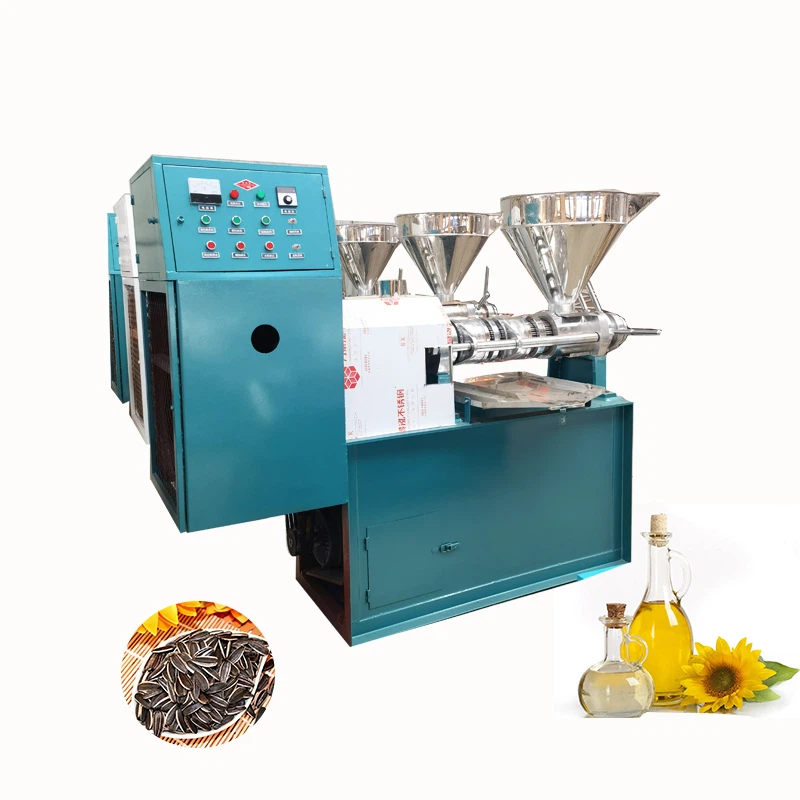

For example, our machines are equipped with advanced sensors and control systems that allow for precise adjustment of temperature, pressure, and other parameters. This ensures that you can achieve the best possible results every time you run the refining process.
Related Products
If you're also interested in oil pressing, we've got some great options for you. Check out our Sunflower Seed Press, Oil Press Machine, and Castor Oil Press Machine. These machines are designed to extract oil from various seeds and nuts efficiently.
Conclusion
Adjusting the refining process parameters of a mini oil refinery machine is a complex but rewarding task. By carefully controlling the temperature, pressure, feed rate, and other parameters in each step of the refining process, you can produce high - quality oil products.
If you're looking to purchase a mini oil refinery machine or have any questions about adjusting the process parameters, don't hesitate to reach out. We're here to help you make the most of your oil refining operations.
References
- "Petroleum Refining Technology and Economics" by James G. Speight
- "Handbook of Petroleum Refining Processes" edited by Robert A. Meyers